
Harmonic Architecture
People
Who is in what seat, whether they are right for it, and where the capability gaps are.
Writing on People
64 issues

Your team's mood is contagious.
You'd assume the leader sets the tone. But a resigned team infects the founder who's supposed to be infecting them.

Confident and wrong
I had the right diagnosis. I was solving the wrong problem.
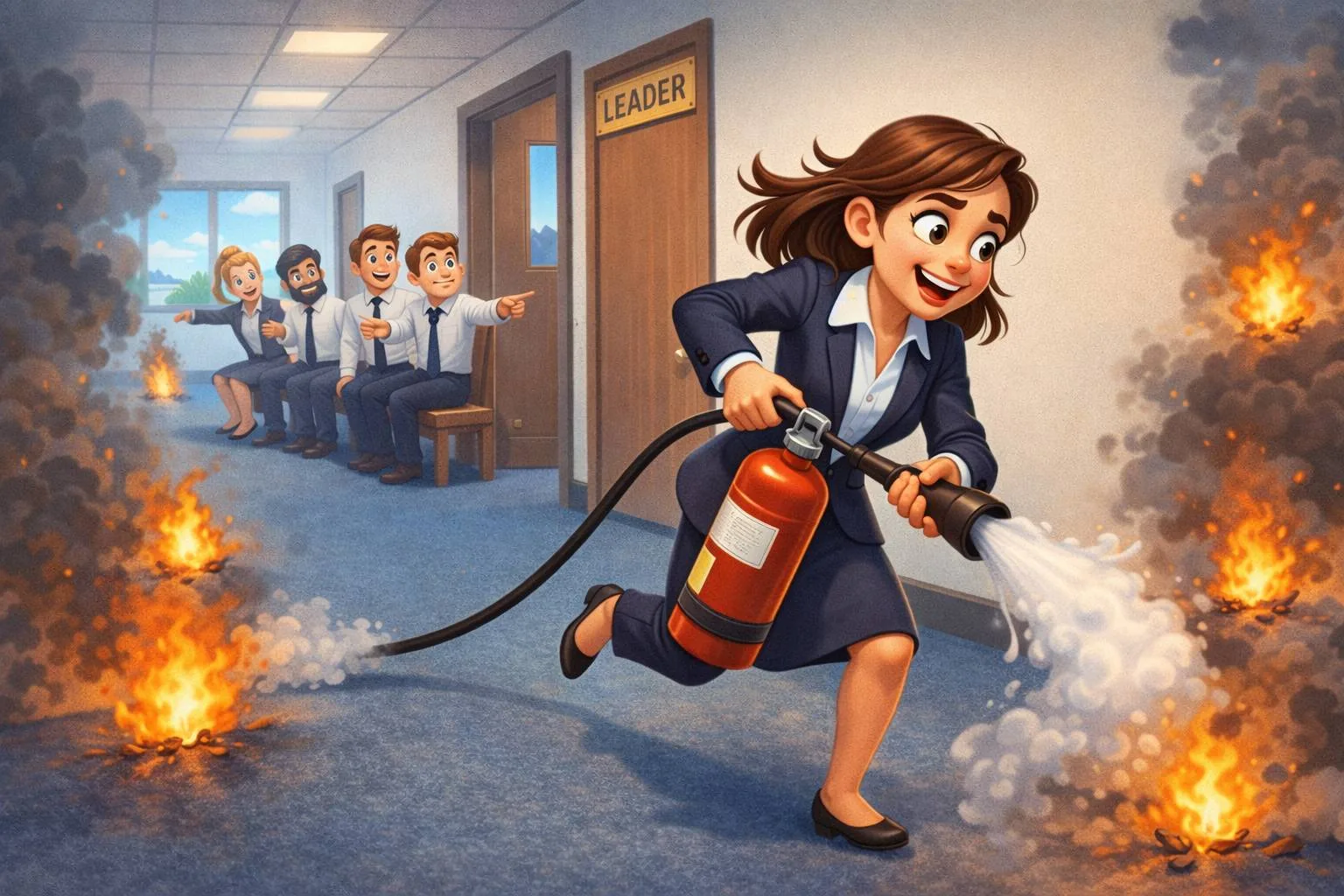
When High Responsibility Becomes a Liability
The leaders who care most about responsibility are the likeliest to destroy it in others.
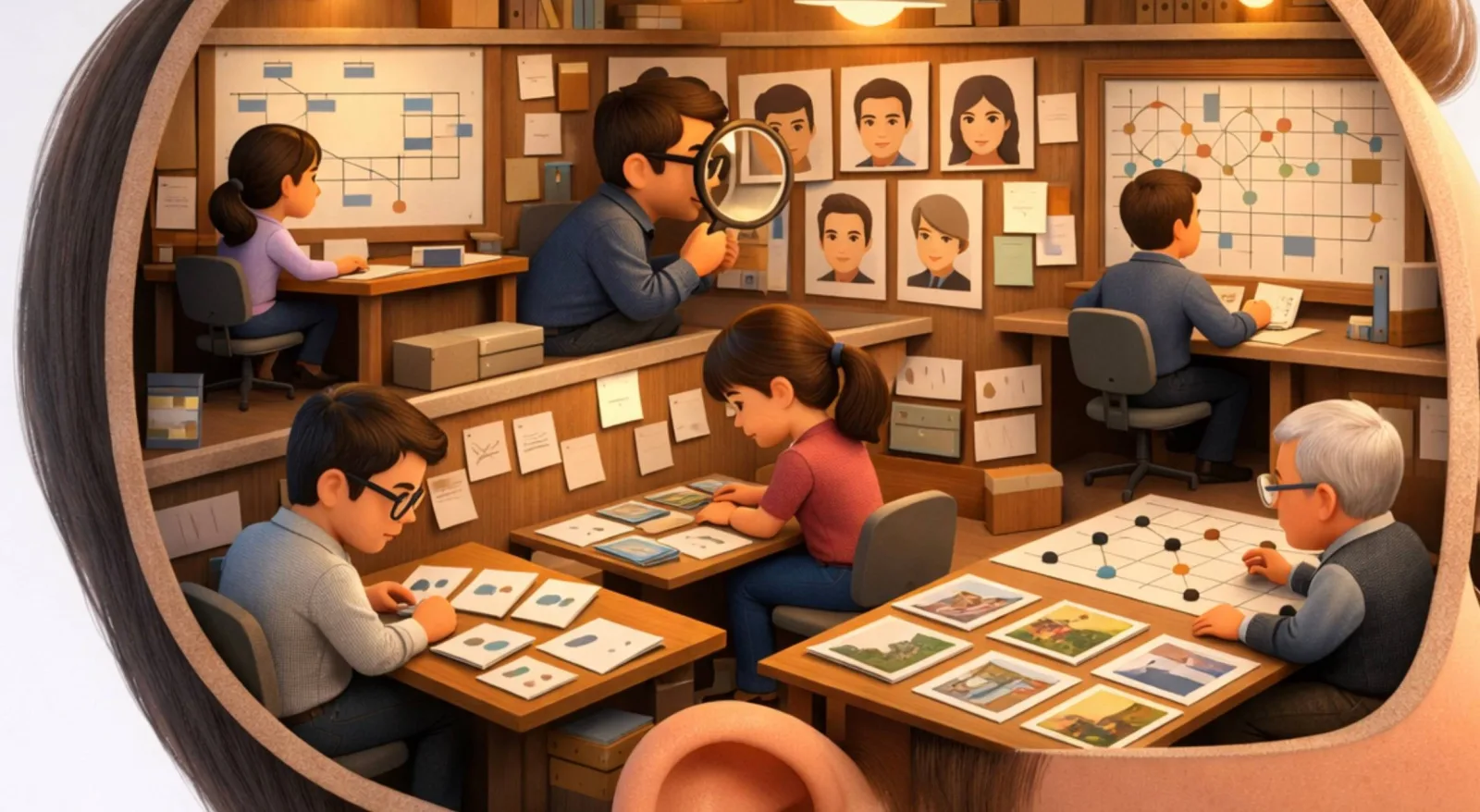
Intuition Is Trained, Not Innate
Intuition as trained pattern recognition - and how to tell when it’s wisdom versus bias.
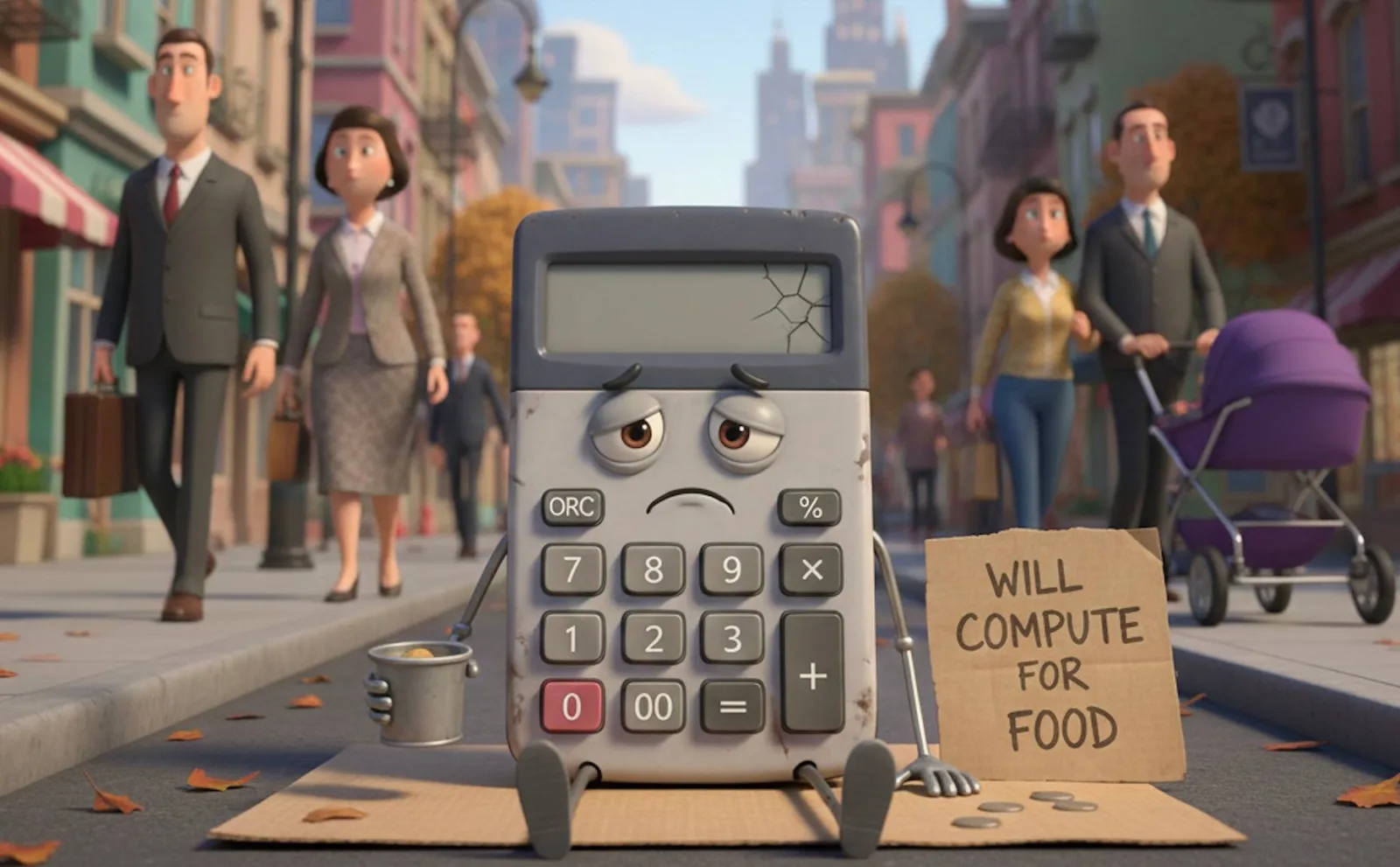
Skills Are Cheap. How You Work Is What Sets You Apart.
Past basic competence skills are a commodity. How you work is what actually gets rewarded.
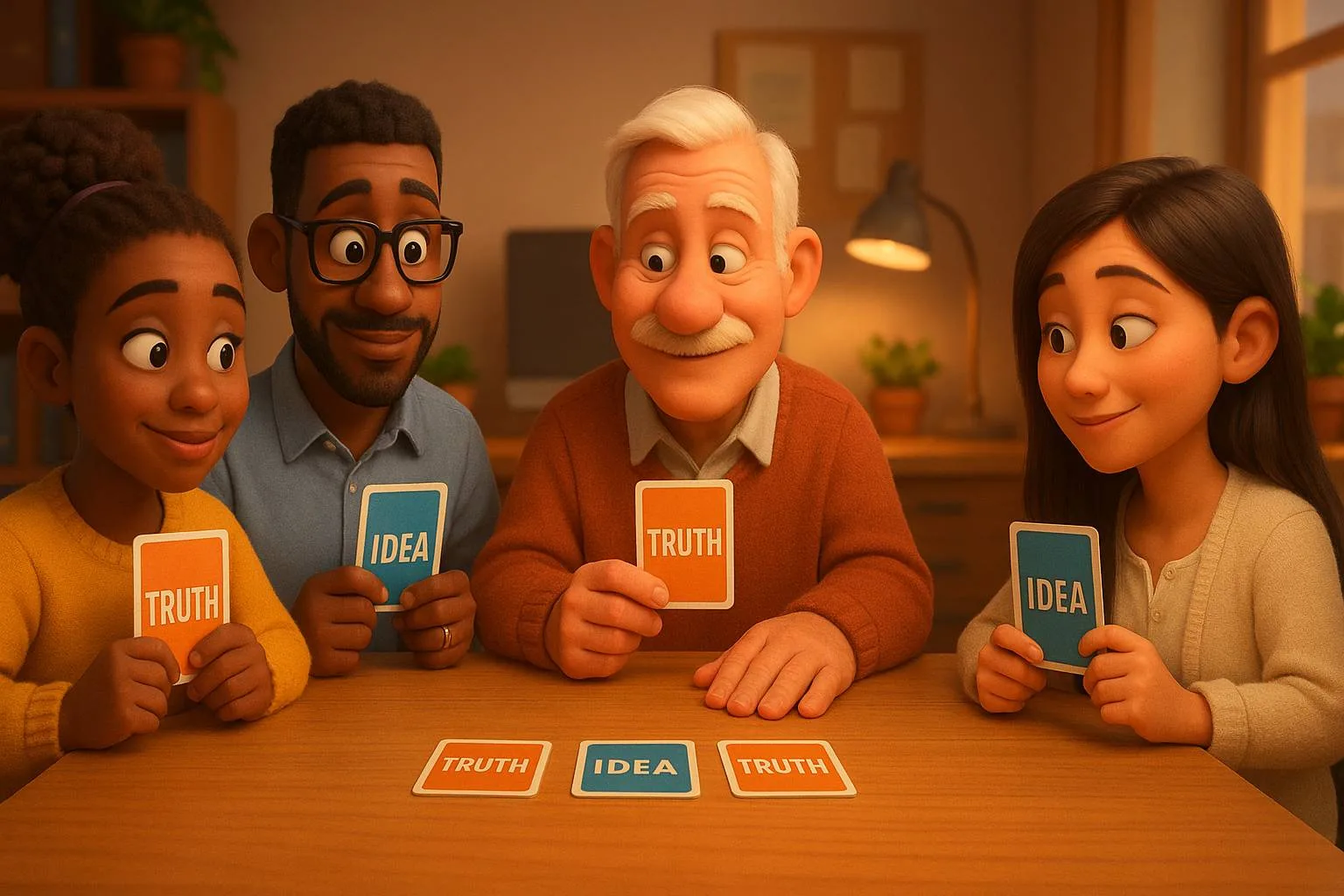
The Cost of What’s Unsaid
You can't solve what nobody says out loud, and buried problems compound.

What I Learned About the Two Kinds of Ambition
One kind of ambition builds and the other consumes. Worth knowing which one you have.

Does heart, mind, or will dominate your leadership?
Heart, mind, or will. Your dominant leadership strength is also your competing liability.
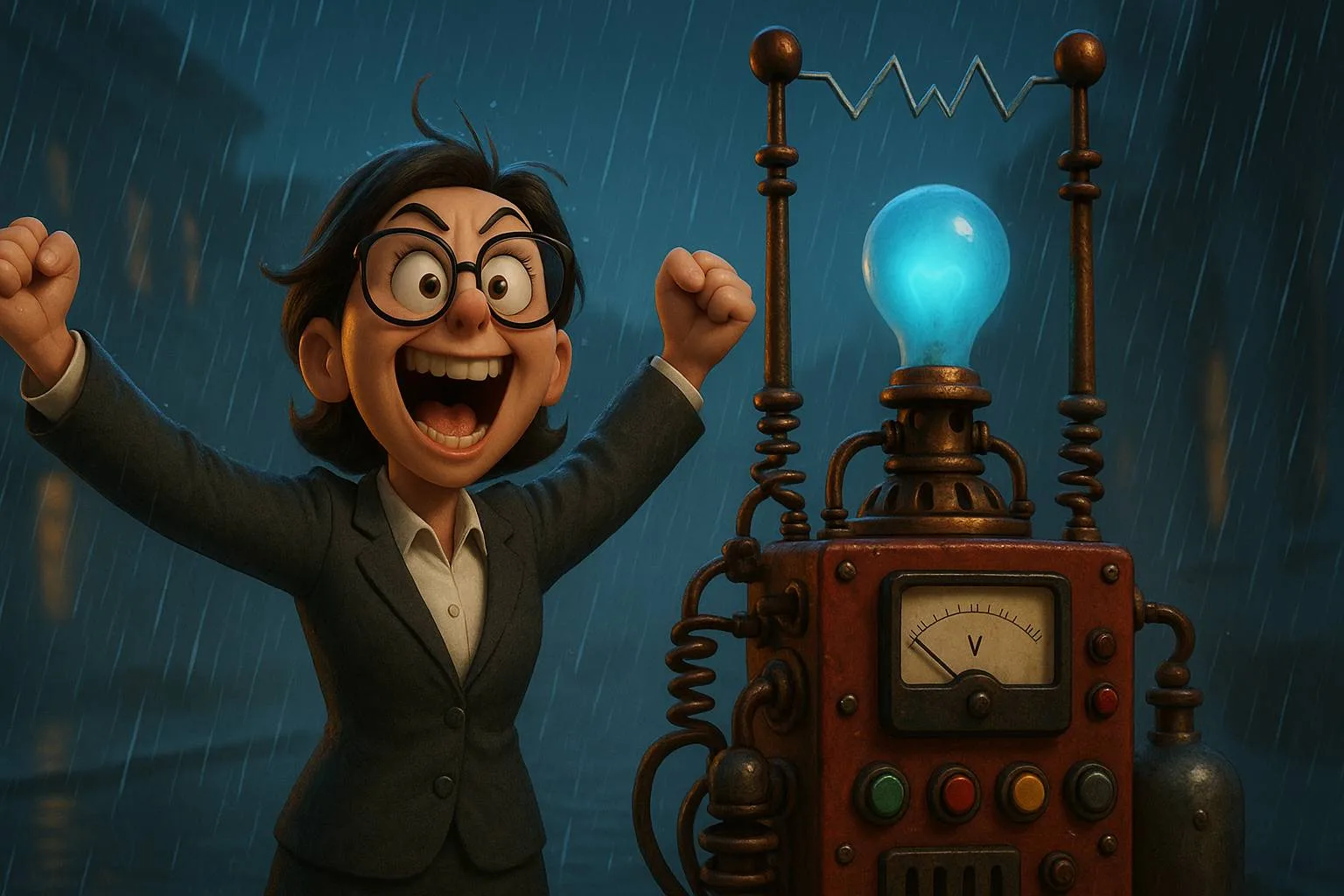
You're Exhausting Yourself on the Wrong Things
Burnout usually isn't too much work. It's energy spent on what you can't control.

Always Happy, Never Satisfied
Staying in the productive middle between being loved as you are and striving to be better.

A lack of appreciation isn't neutral
Appreciation isn't the cherry on top. Withholding it does active harm.
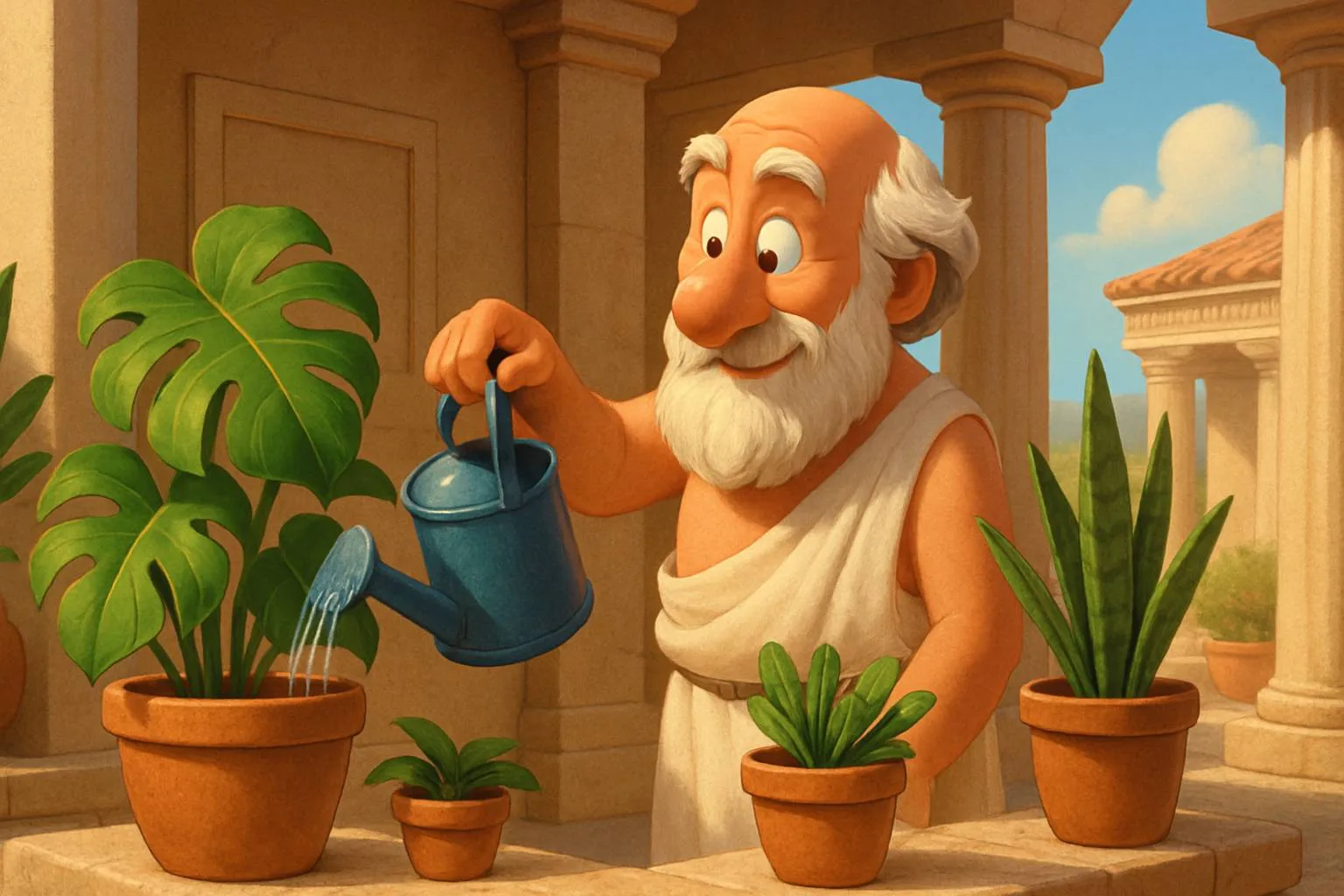
Too Tough or Too Tender? Find the Mean
Keep your leadership in the sweet spot.

The Pain of Staying the Same
Greatness has less to do with the skills you build than with how you see the world.

The First Follower
Following is a form of leadership. Without the first follower, there is no movement.
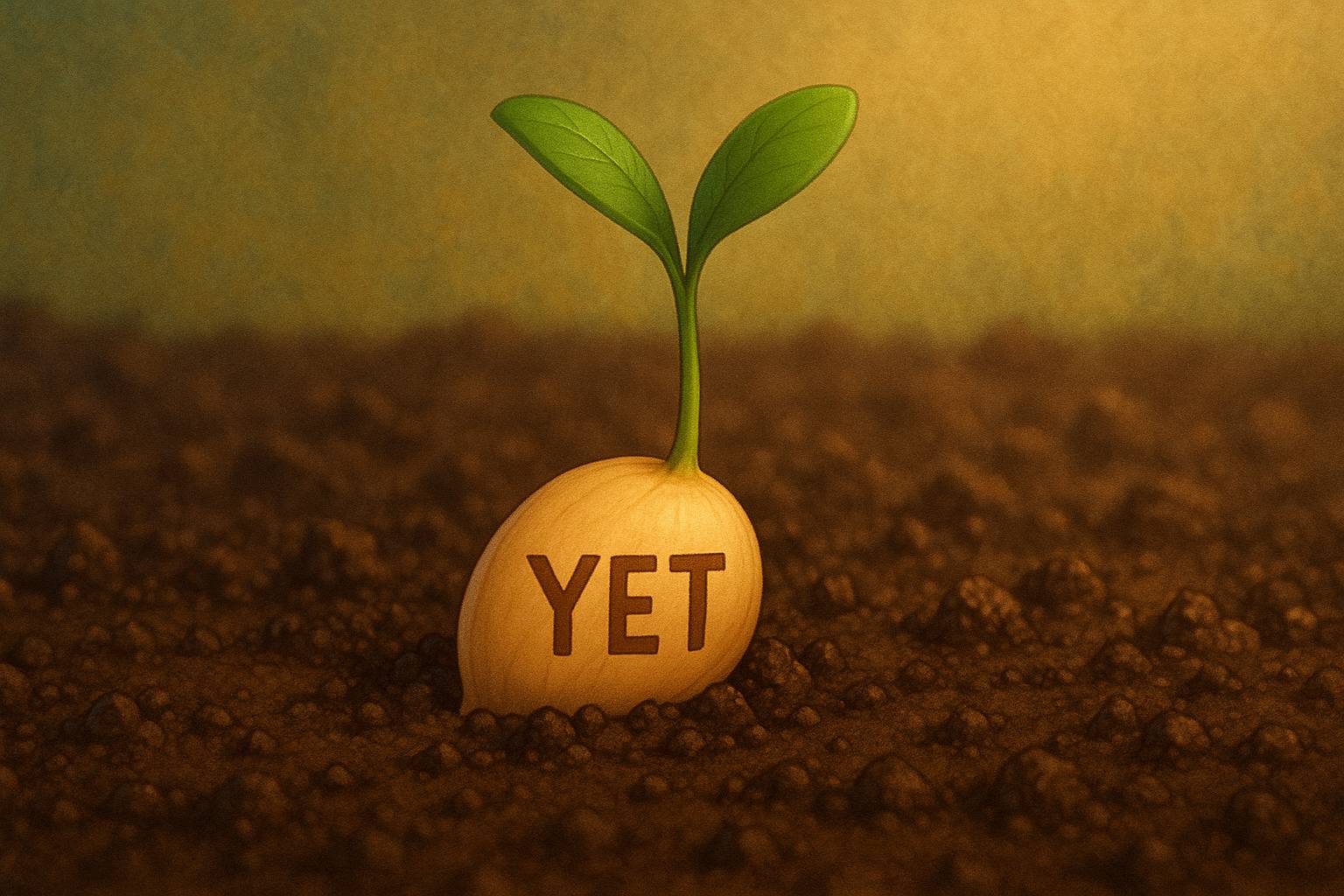
...yet
Fray your limiting beliefs with this tactical intervention.

Trust is More than a Vibe
Trust isn't binary and it isn't a feeling. Three facets that let you work with it deliberately.

Your GPS Recalculates. Do You?
The self-protective biases that quietly block your learning - and stunt your team's too.
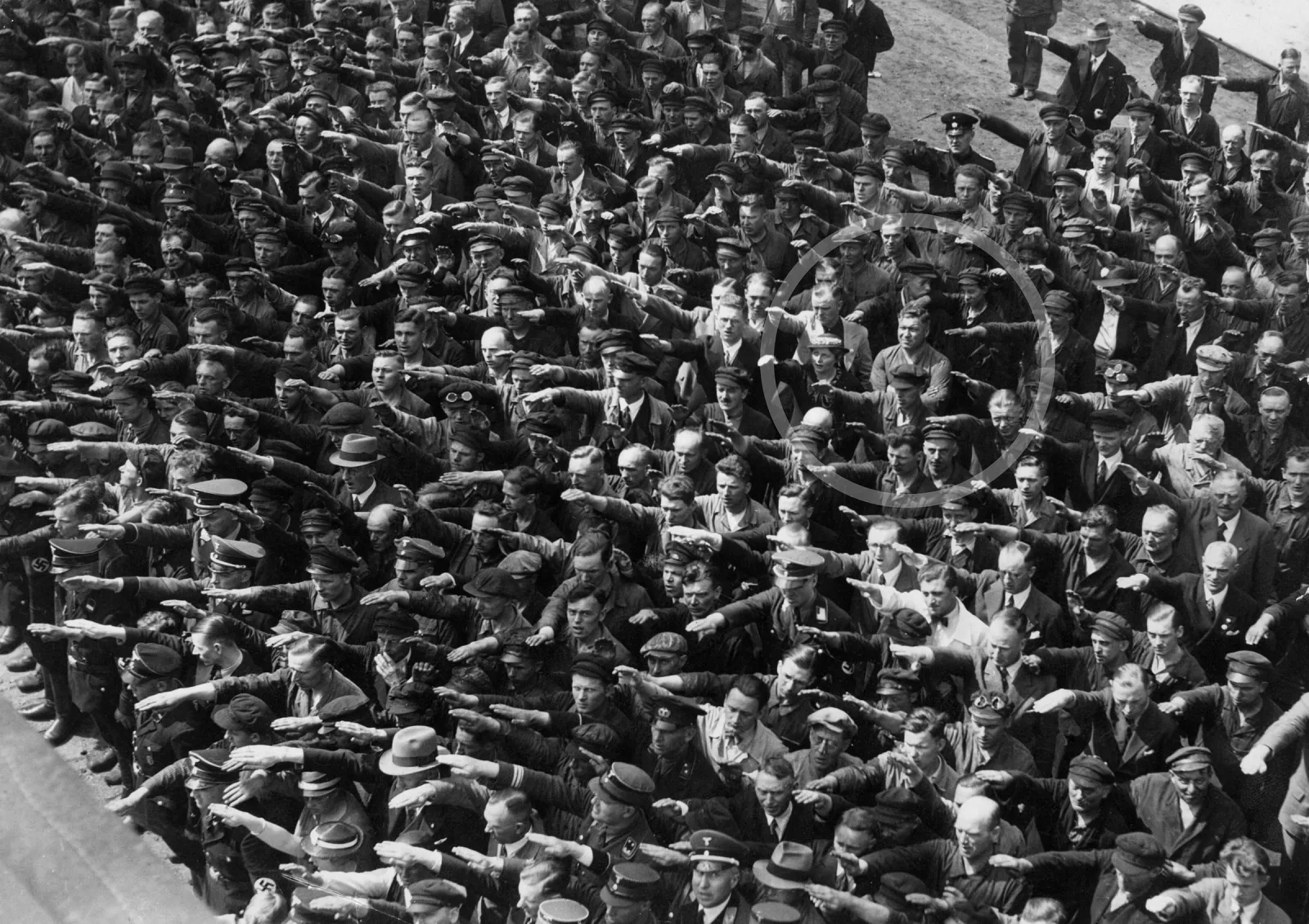
The hard part isn’t thinking, it’s thinking around others.
Learn how to spot four social-context biases in yourself, and what to do about them.
Feel like an imposter? Here's the process I use.
It starts with exposure, honest mirrors, and a willingness to be an imposter - just not for long.
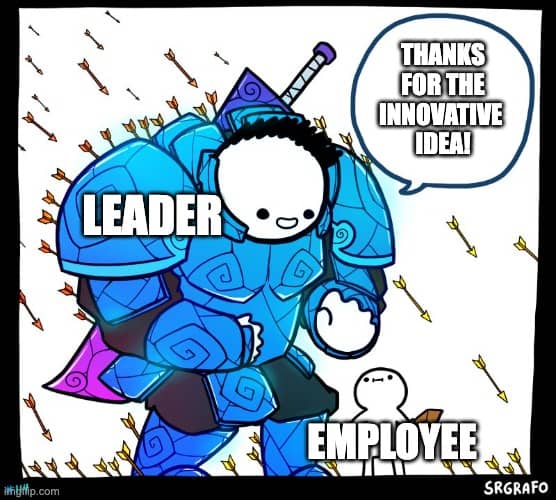
Your Team Might Be Scared of Your Eyebrows 😳
Challenger safety is the fourth stage, and the one where innovation actually lives.

Chomp chomp chomp, like a failure-eating Pac-Man
Failure as fuel, and the poster on my wall that makes the point every Friday.
"We're the Bosses"
Agents choose to act rather than be acted upon. Why agency is harder to grow than it looks.

Your body and mind are not like a cracker
Antifragility - some things get stronger under stress, and you are one of them.

Assertive Inquiry
State your own reasoning clearly and genuinely seek theirs - the active version of strong opinions loosely held.

How to get unconsciously competent
The four stages of competence, and how to get through the one where you don't know you're bad.
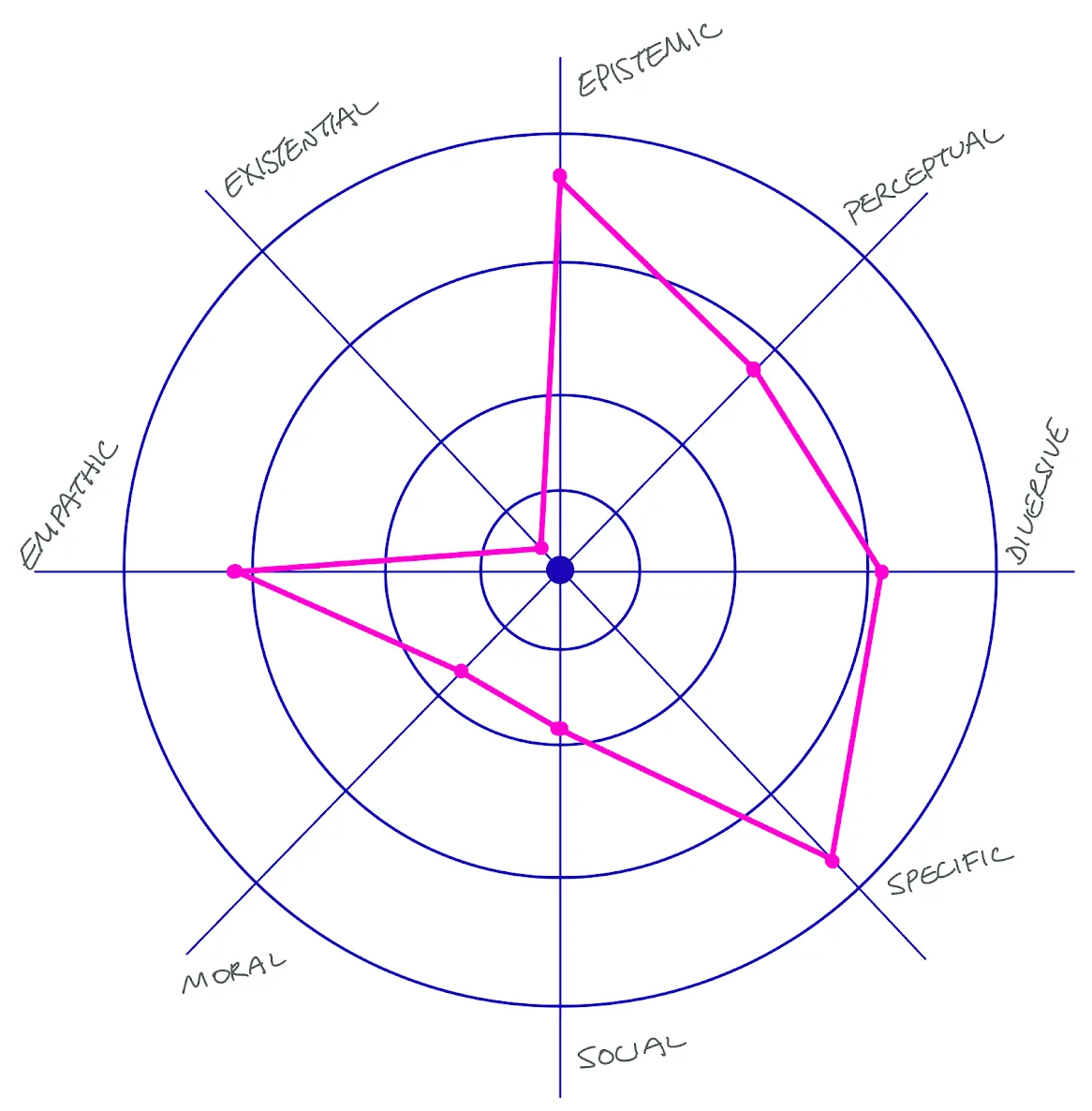
How many types of curiosity do you exhibit?
Curiosity isn't one thing. Knowing the types changes how you hire for it and grow it.

Not enough innovation? Contributor Safety might be lacking.
Innovation stalls when people don't feel safe to contribute. That's the third stage.

The Art of Performance Management (No PIPs Required!)
Managing performance without needing a formal performance improvement plan.

Cultivating Confidence
Confidence is the belief that you'll be able to figure it out.

Are you creating an environment where your team can learn?
Leaders need to create the conditions for learner safety, which is the second stage of psychological safety.

Nine essential behaviors to drive business transformation
As leaders we're all in the business of transformation. If we're not transforming our businesses, they're in stasis. Stasis leads to decline.

Say What You Want to Happen, Not What to Avoid
When you need something done, it's more effective to tell people what to do. Not what not to do.
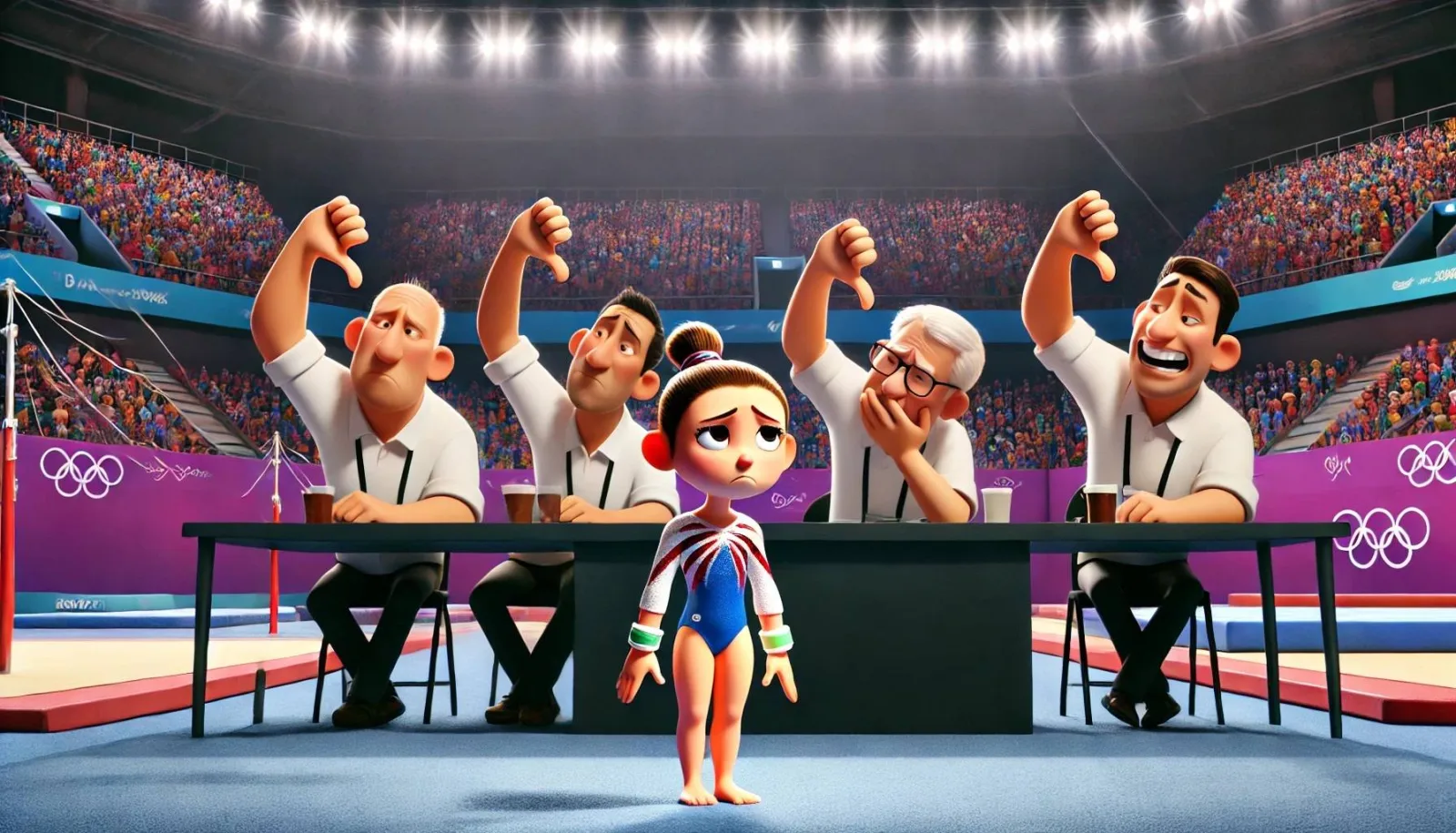
Create a culture of practice if you want performance
How do the people around you react when you mess up at work?

See the world as it is
Our brains put so much distortion around our view. Seeing reality is not passive. It's a skill we have to develop, and actively engage with.
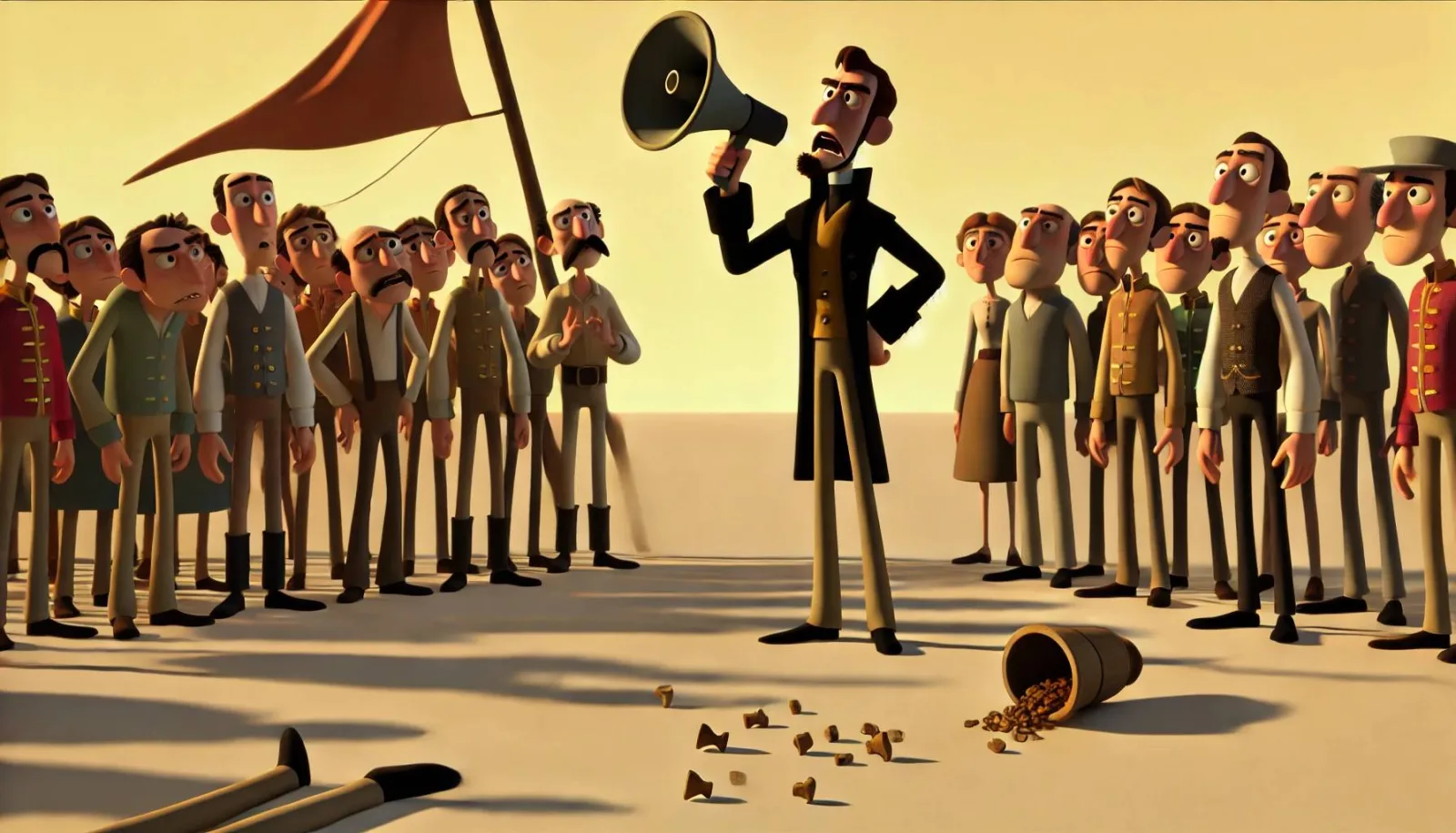
Mental complexity and its impact on leadership
This is a really interesting framework for understanding people.

What's the first stage of psychological safety?
If you want to optimize the performance of your team, you can't ignore psychological safety.
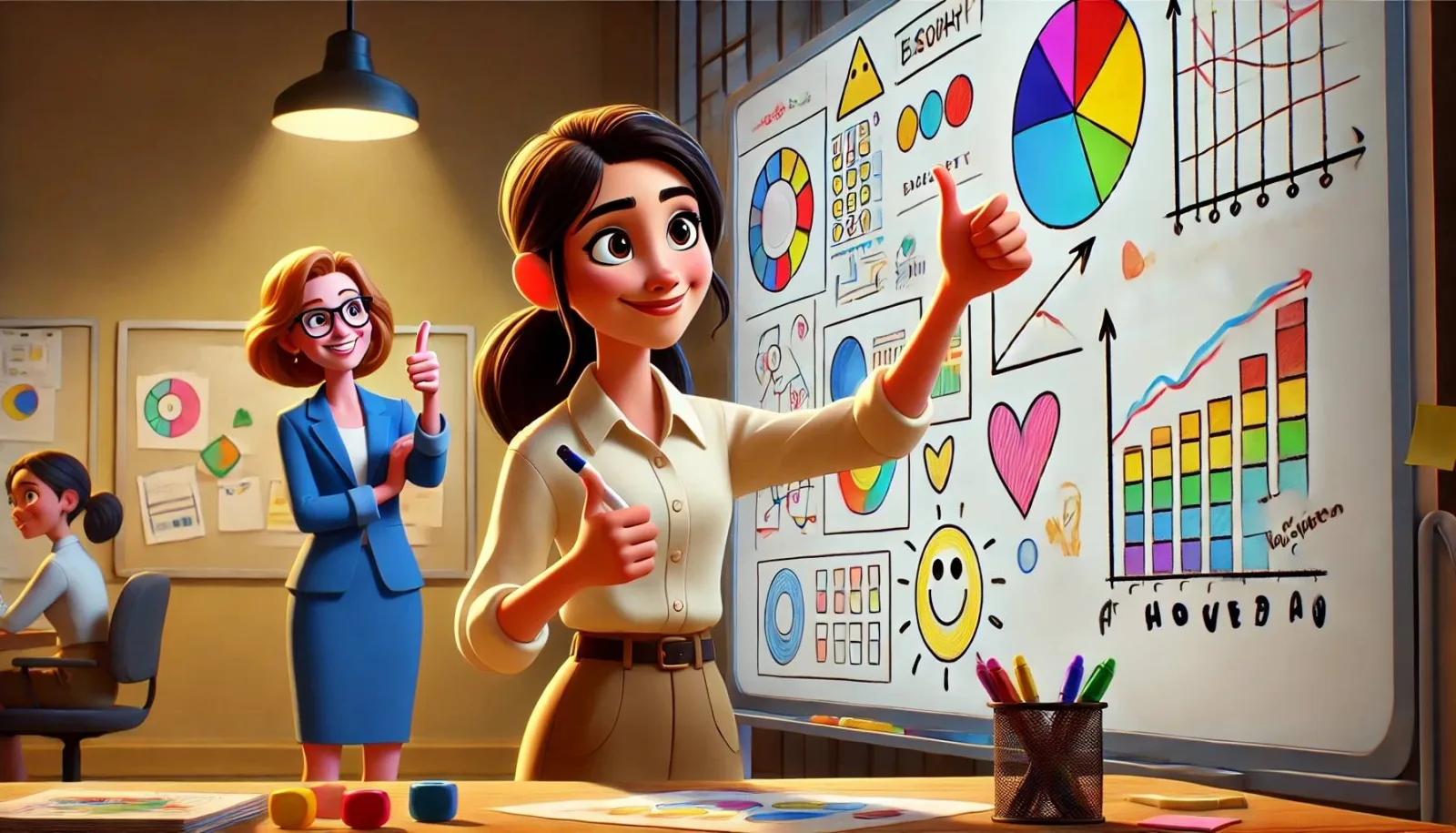
Are you giving all three types of feedback?
Today I'm going to break down feedback into a model of three components; appreciation, coaching, and evaluation.

The Obstacle is the Way
That problem in front of you? That obstacle? It's actually the way forward.

Are you a Multiplier or a Diminisher?
Do you multiply the capabilities of your team, or do you diminish them?
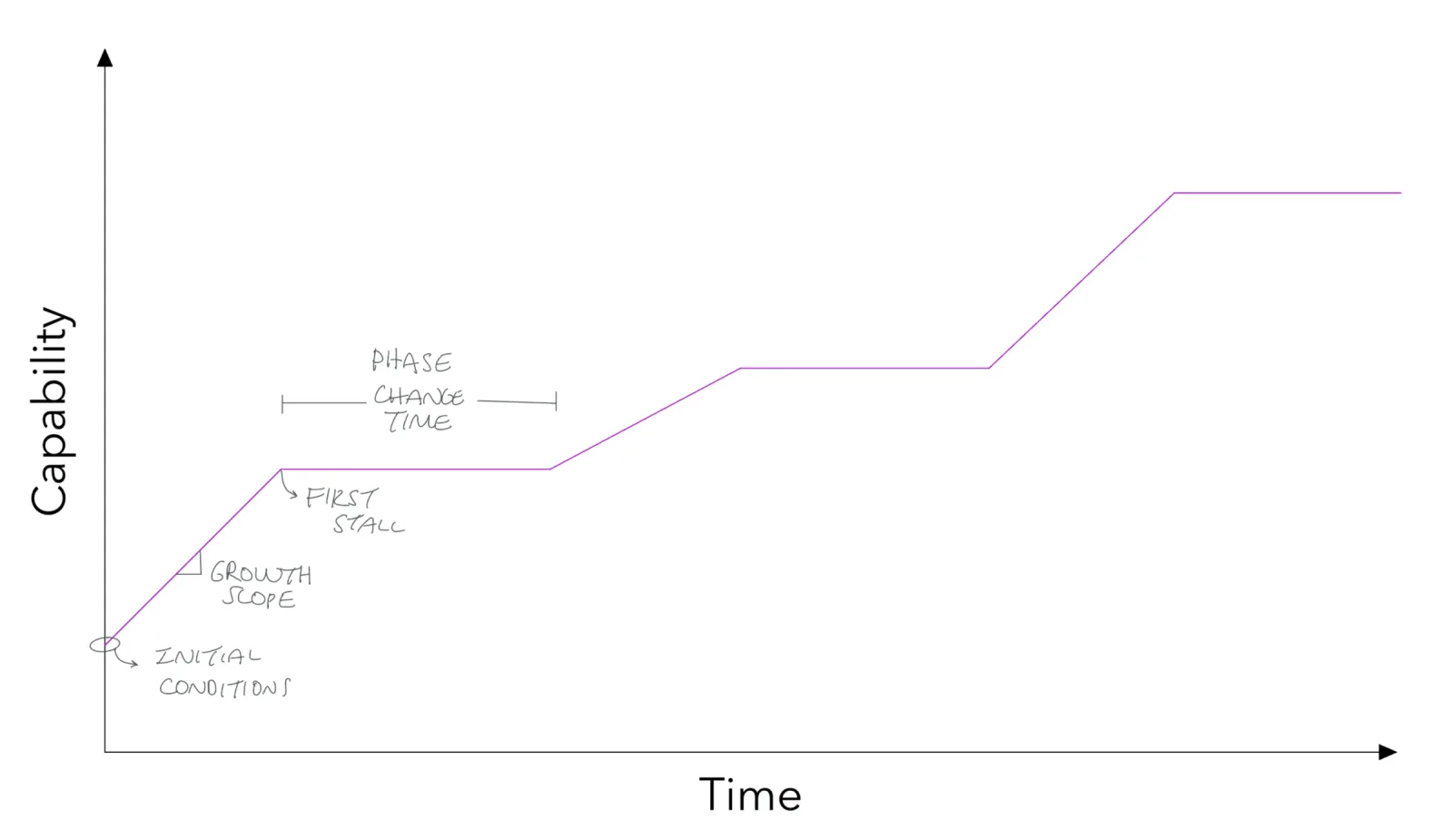
Your new hire's trajectory is like ice → water → steam
Your new hire's growth in their role is similar to how the temperature changes in H2O as it goes from ice to water to steam.
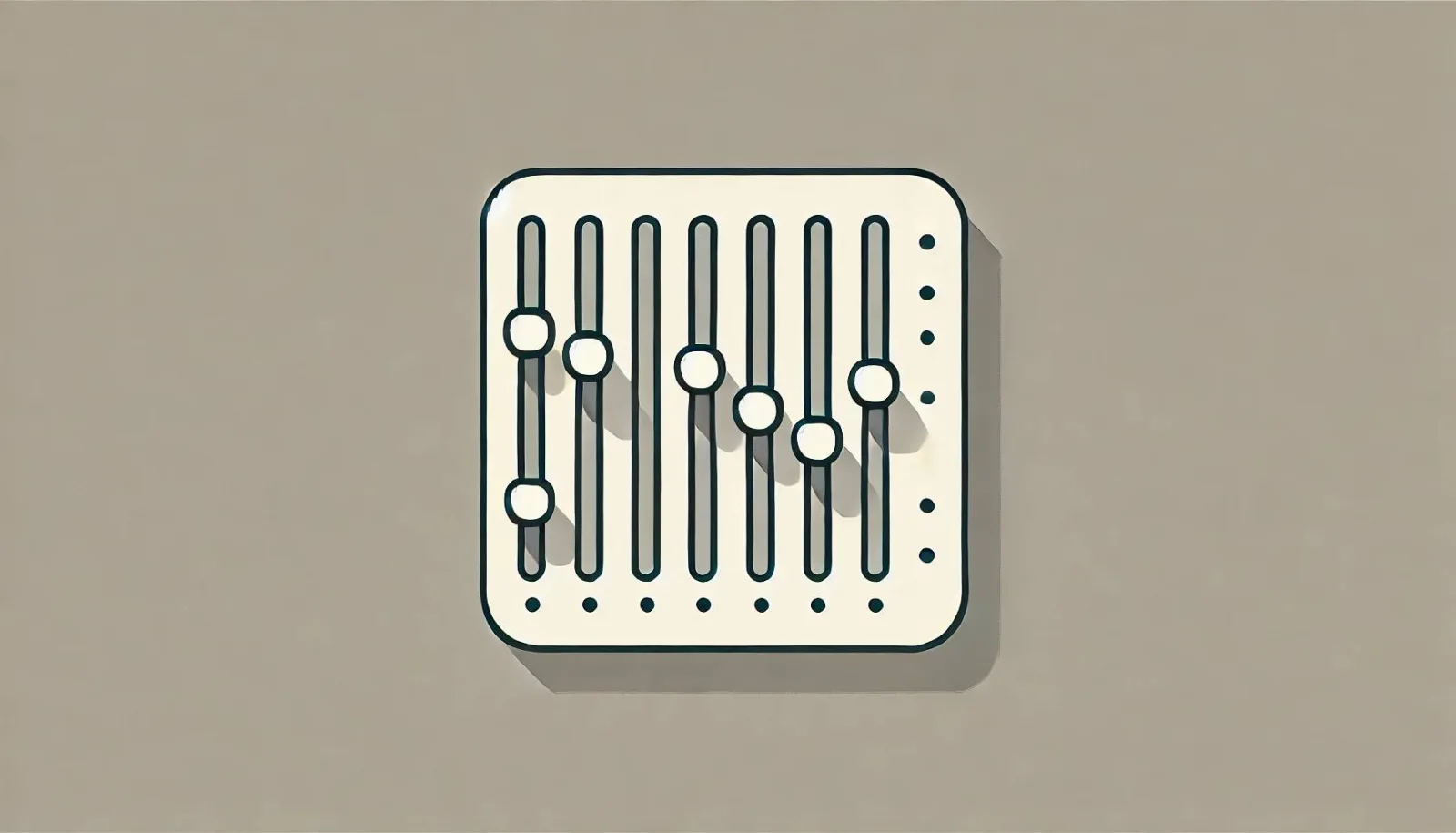
Think of leadership development like a music equalizer
I'm sharing a model of leadership that's been forming in my brain over the years, but until today have never put "on paper."
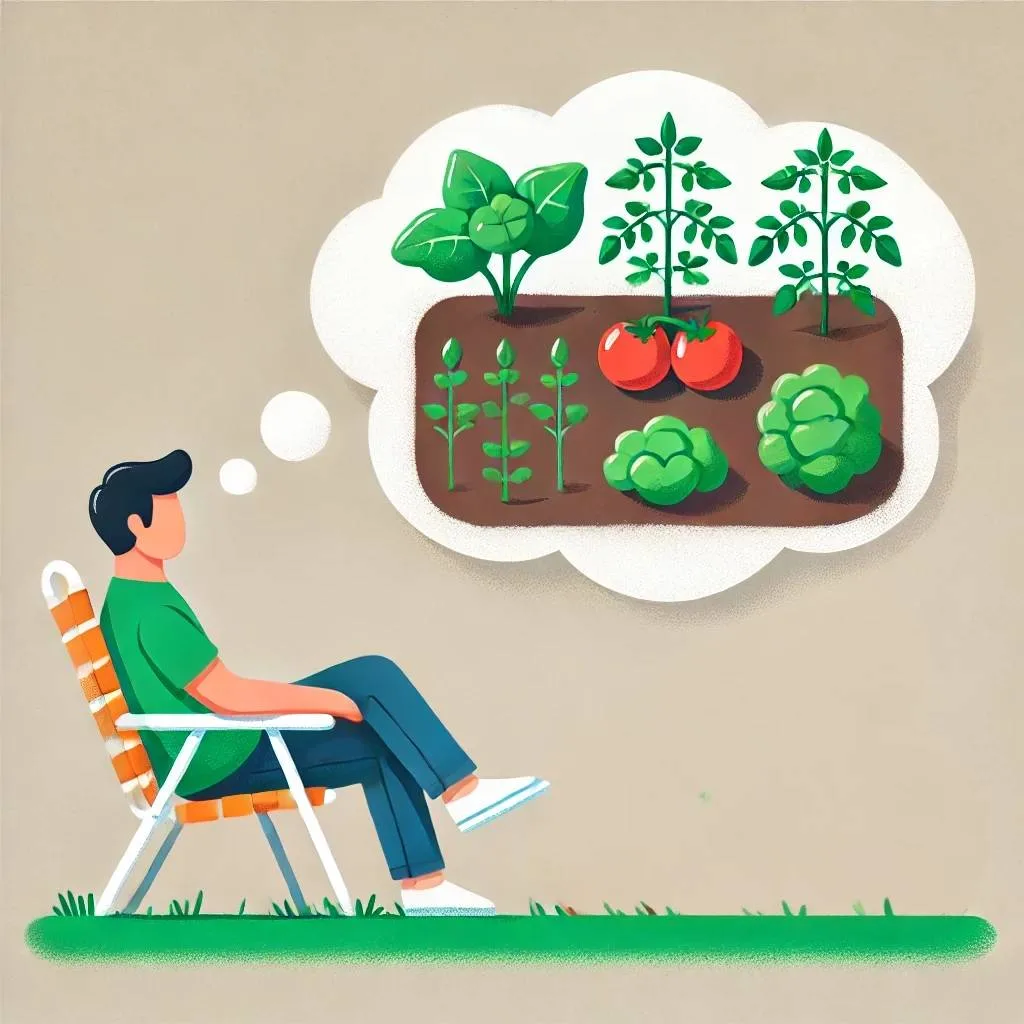
A 2000 year old idea about the power of action
It's important that you take action, not just *talk* about taking action.

Leadership buoyancy; how pressure influences your leadership level
Every level of promotion in your company will come at a cost.

Flip your org chart upside down
Put your customers at the top, and put the CEO down at the bottom.

It's important to GET right, not to BE right
In life and at work, focus on getting right, not being right.
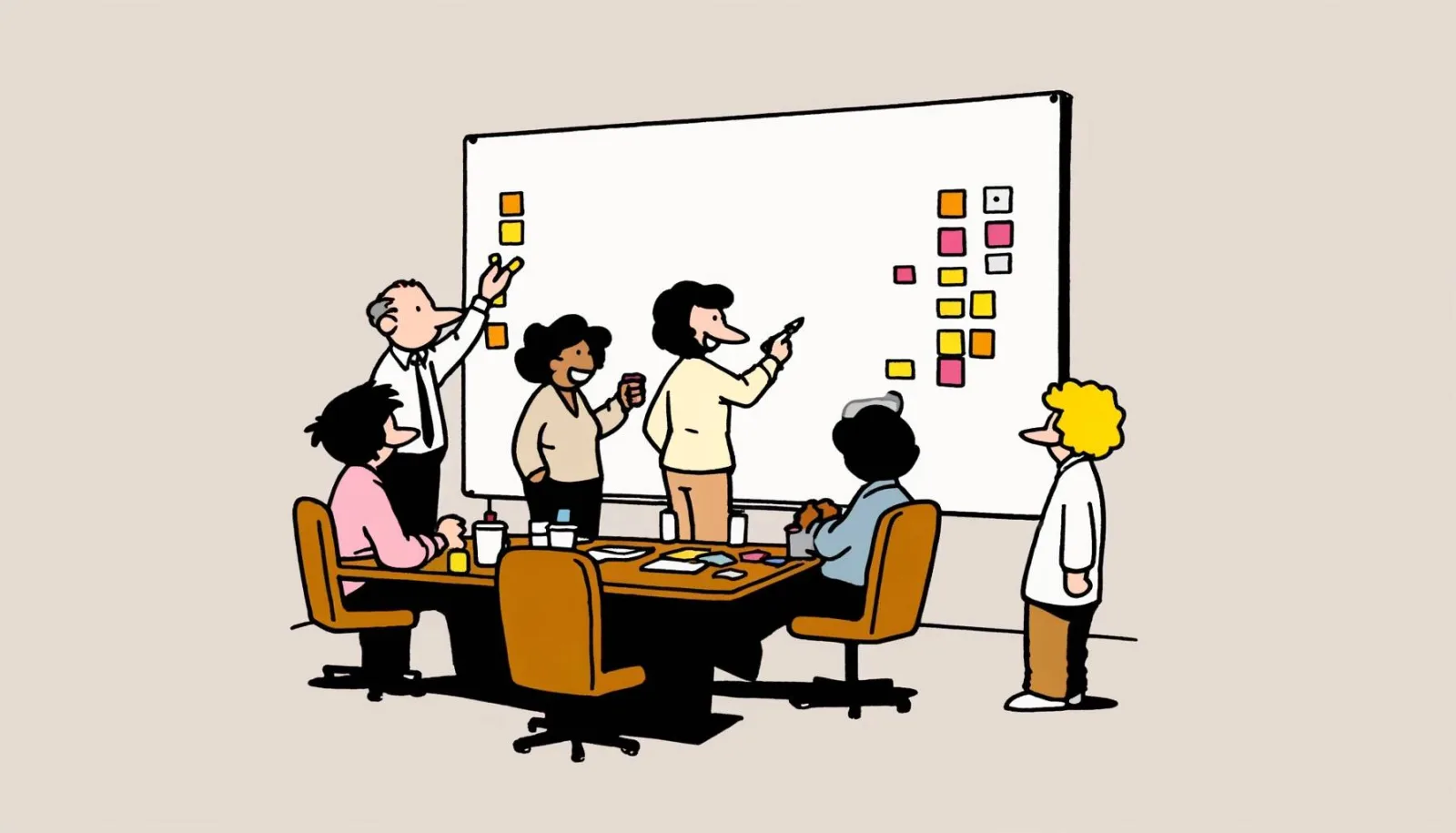
Build a high-performing team by hiring for characteristics
Have you defined the characteristics that make someone successful on your team?

Focus on the problem, not the person
Same side of the table, or opposite sides. That choice decides whether the problem gets solved.
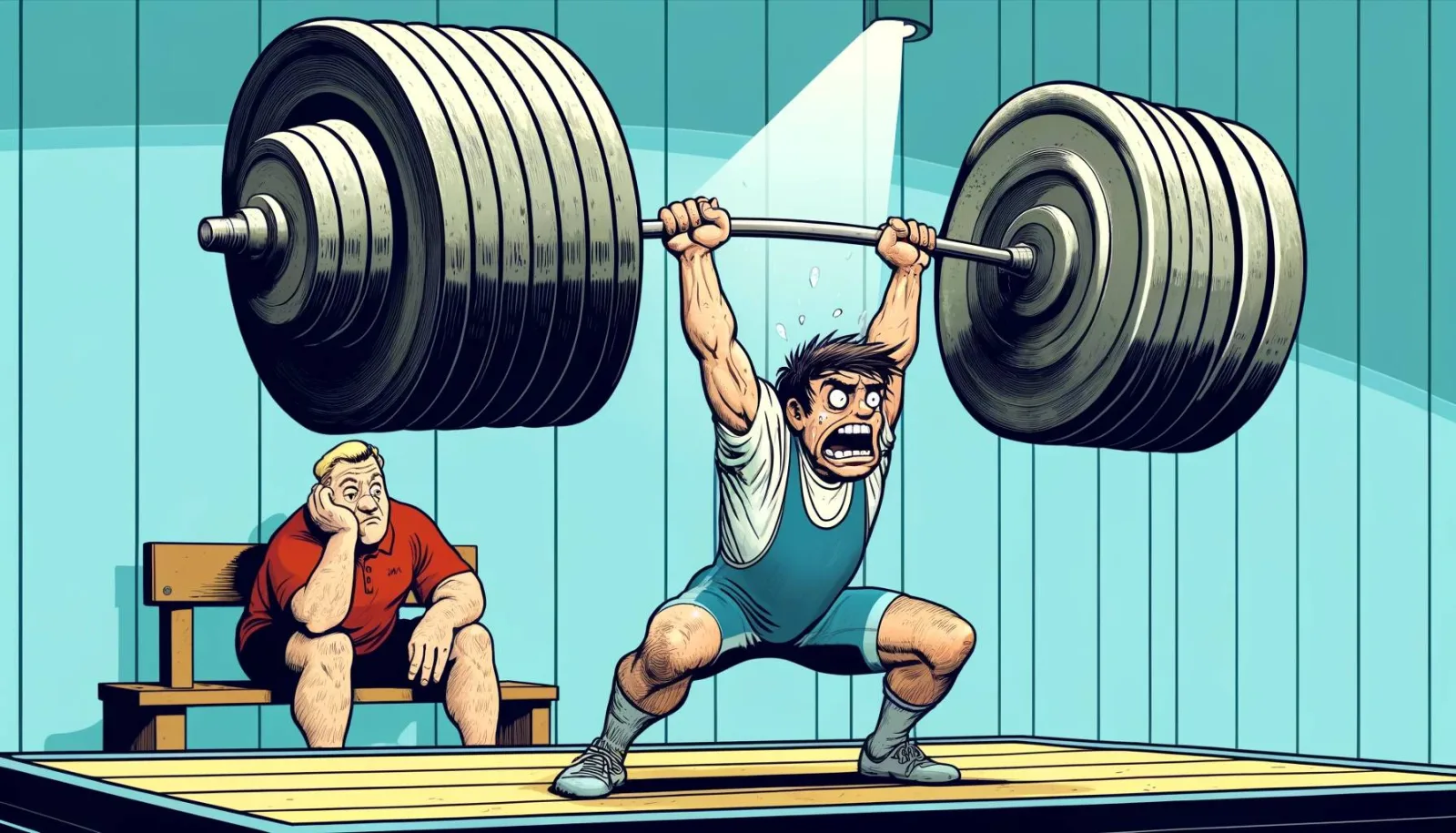
How well are you managing the tension between accountability and compassion?
Accountability without compassion breaks people. Compassion without accountability breaks results.
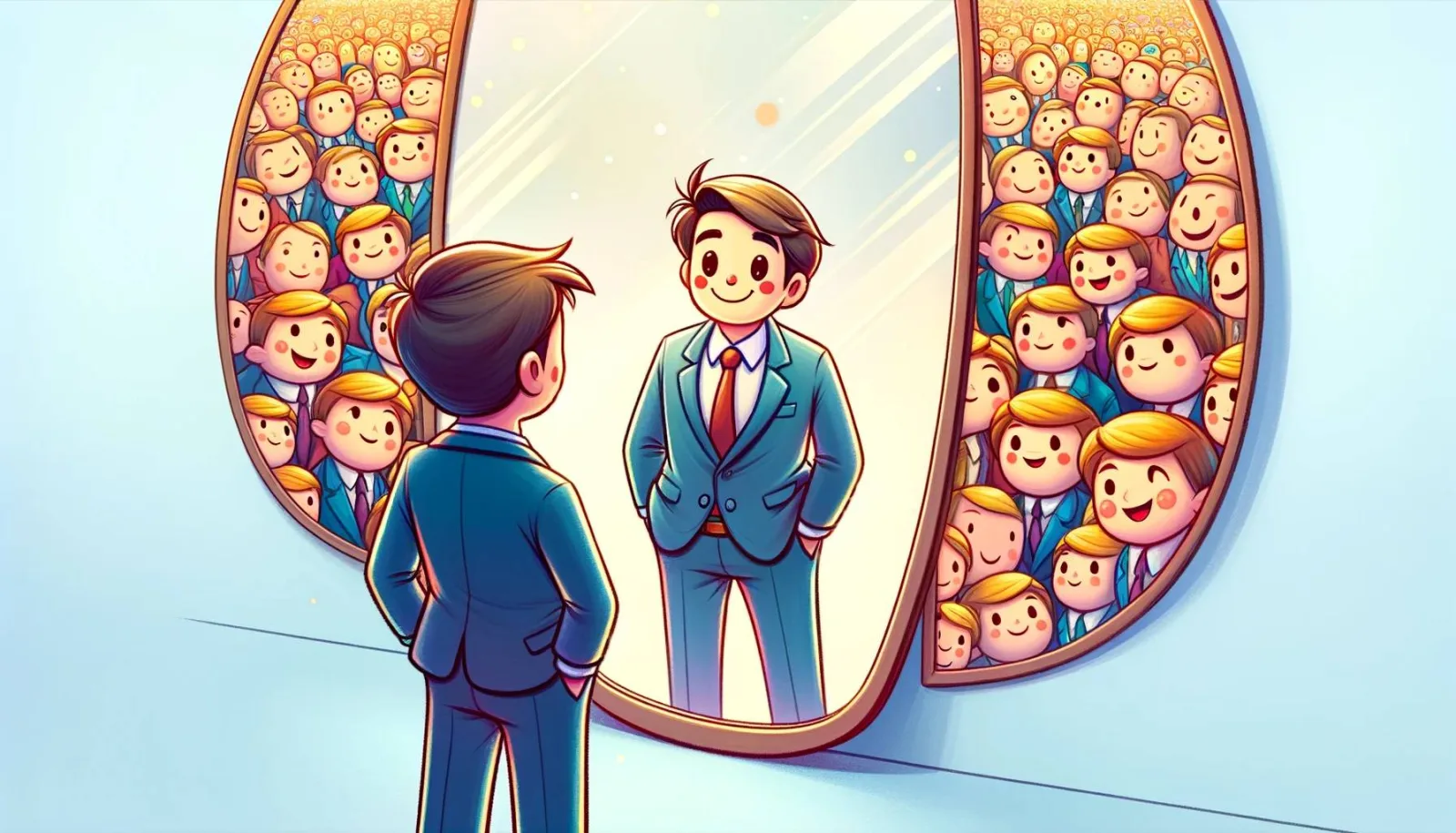
🐩 What a scene from 101 Dalmatians tells us about what your organization looks like
A leader's organization looks like them. This can give your org. large blind spots and weak points, but you can also use this to amplify your impact.
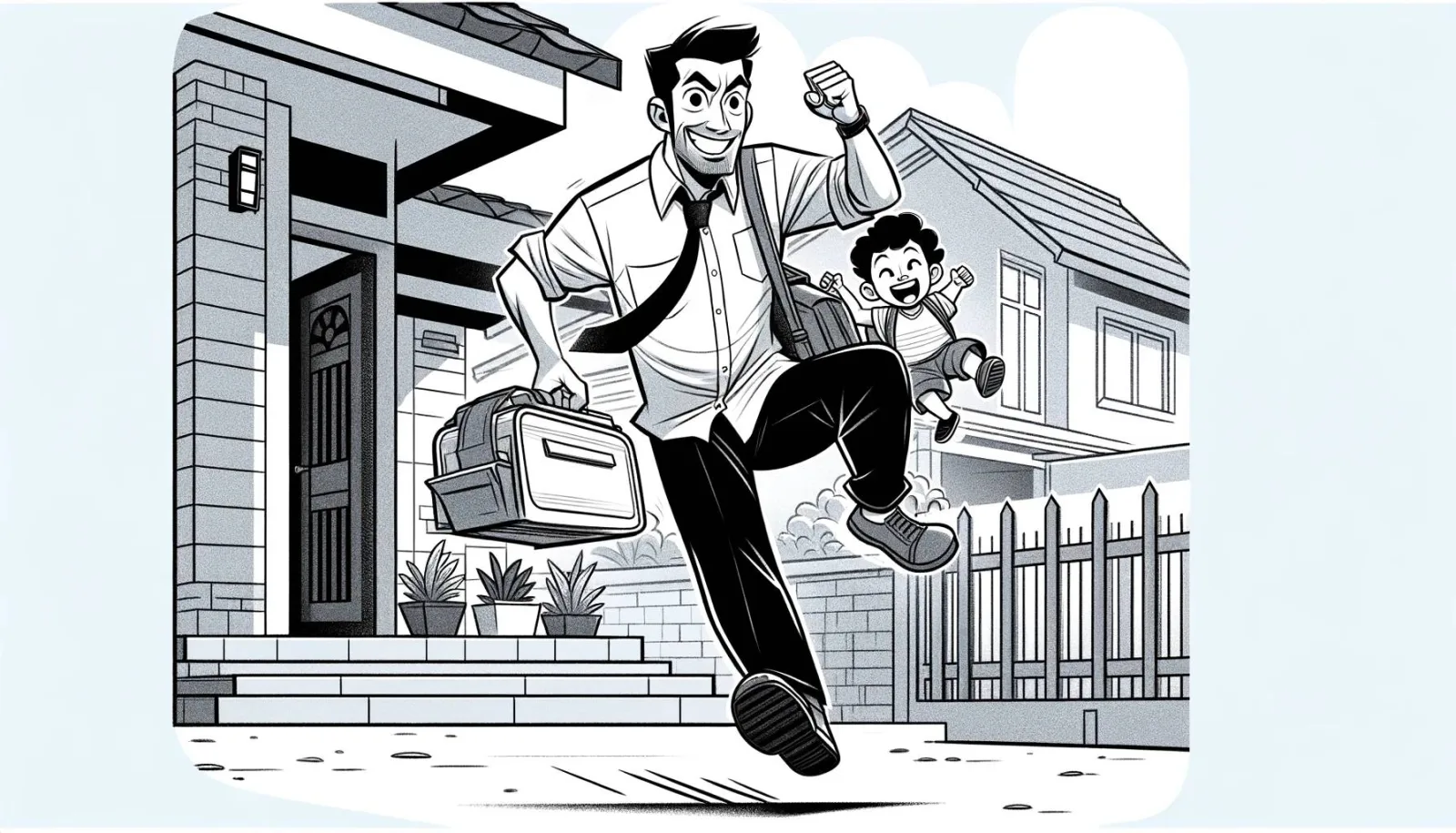
Ask yourself: How am I contributing to the situation I don't like?
I promise you, if you consistently ask yourself this question, seek deep insight, and put in the work, you’ll be unstoppable.
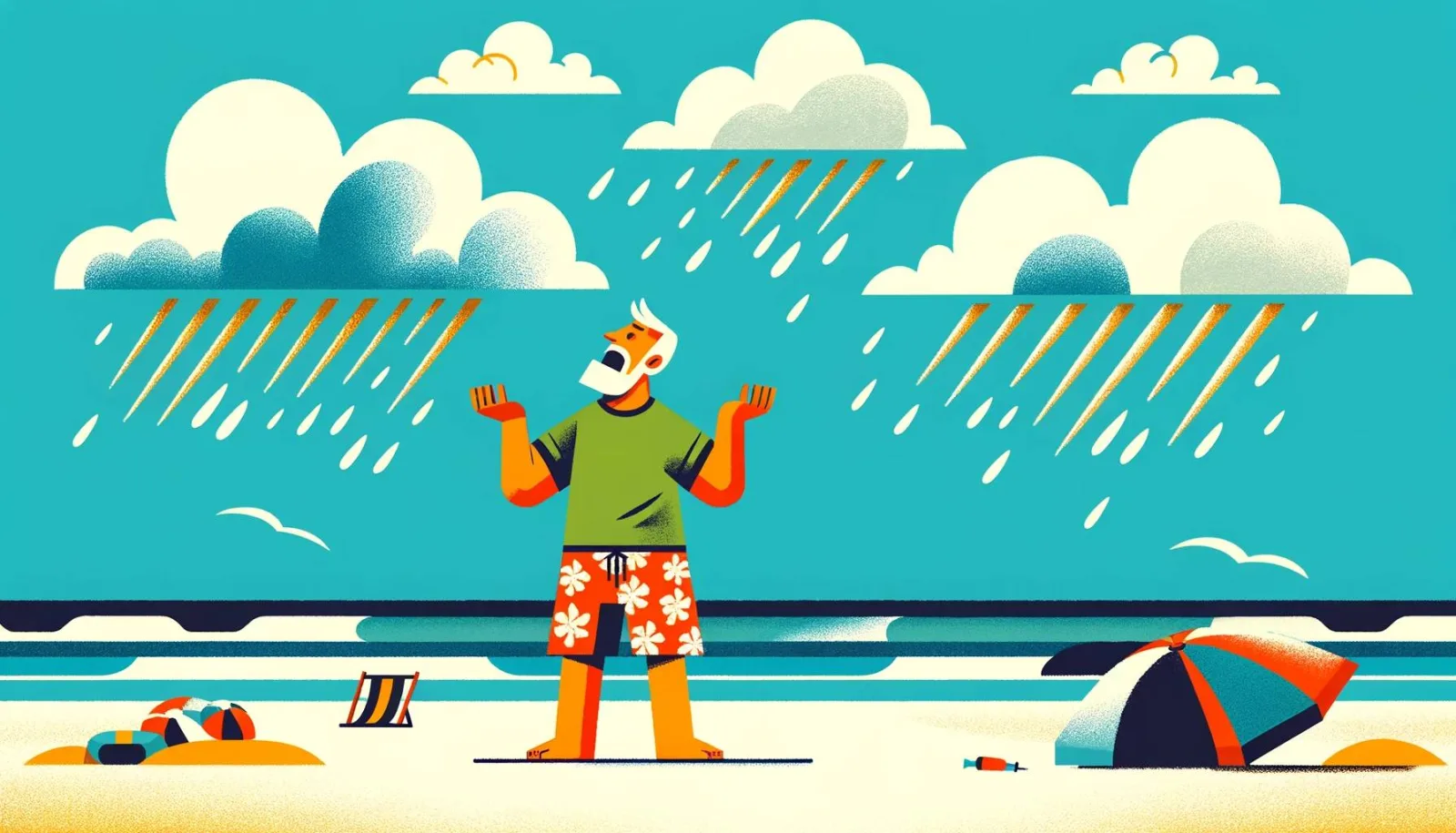
Stress is the difference between what you want and what you have
Stress is the gap between what you have and what you want. You can close it from either side.

Reframing problems as opportunities: The path to becoming even more badass
You will always have problems. Change your relationship to them instead of waiting them out.
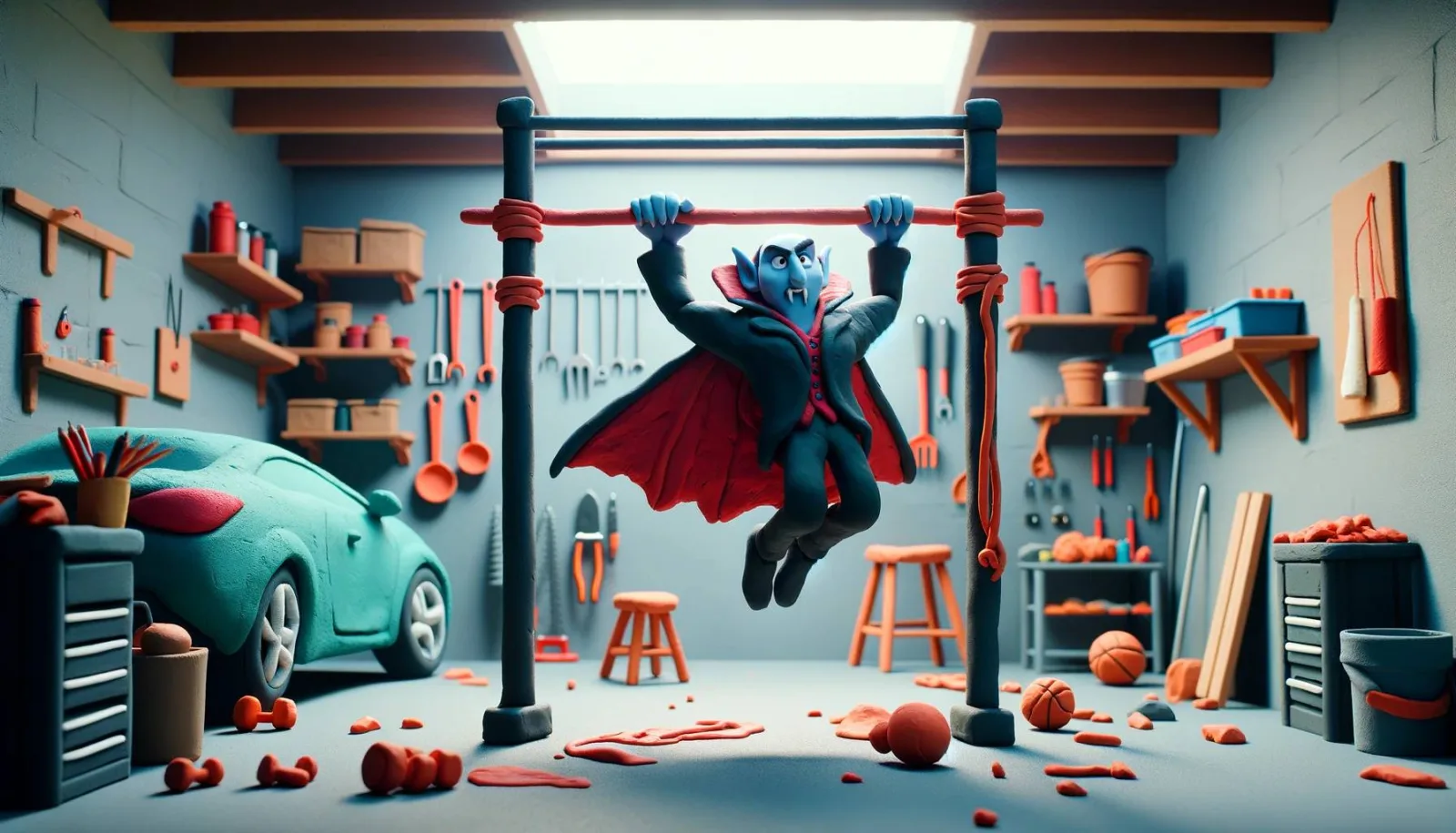
You have the most to learn from "idiots"
The people you dismiss are standing in your blind spot. Humility is the way in.

Legacy in your lifetime; are you becoming an ancestor or a ghost?
Every relationship leaves someone better or worse off. Are you an ancestor or a ghost?

How "premeditatio malorum" helped me keep my cool when I smashed my phone
Rehearsing what could go wrong takes most of the sting out of it when it does.

On advice and appreciation
Advice and appreciation land where feedback and criticism bounce off the ego.

You are the average of the five people you spend the most time with
The five people you spend the most time with shape how you think, whether you notice or not.
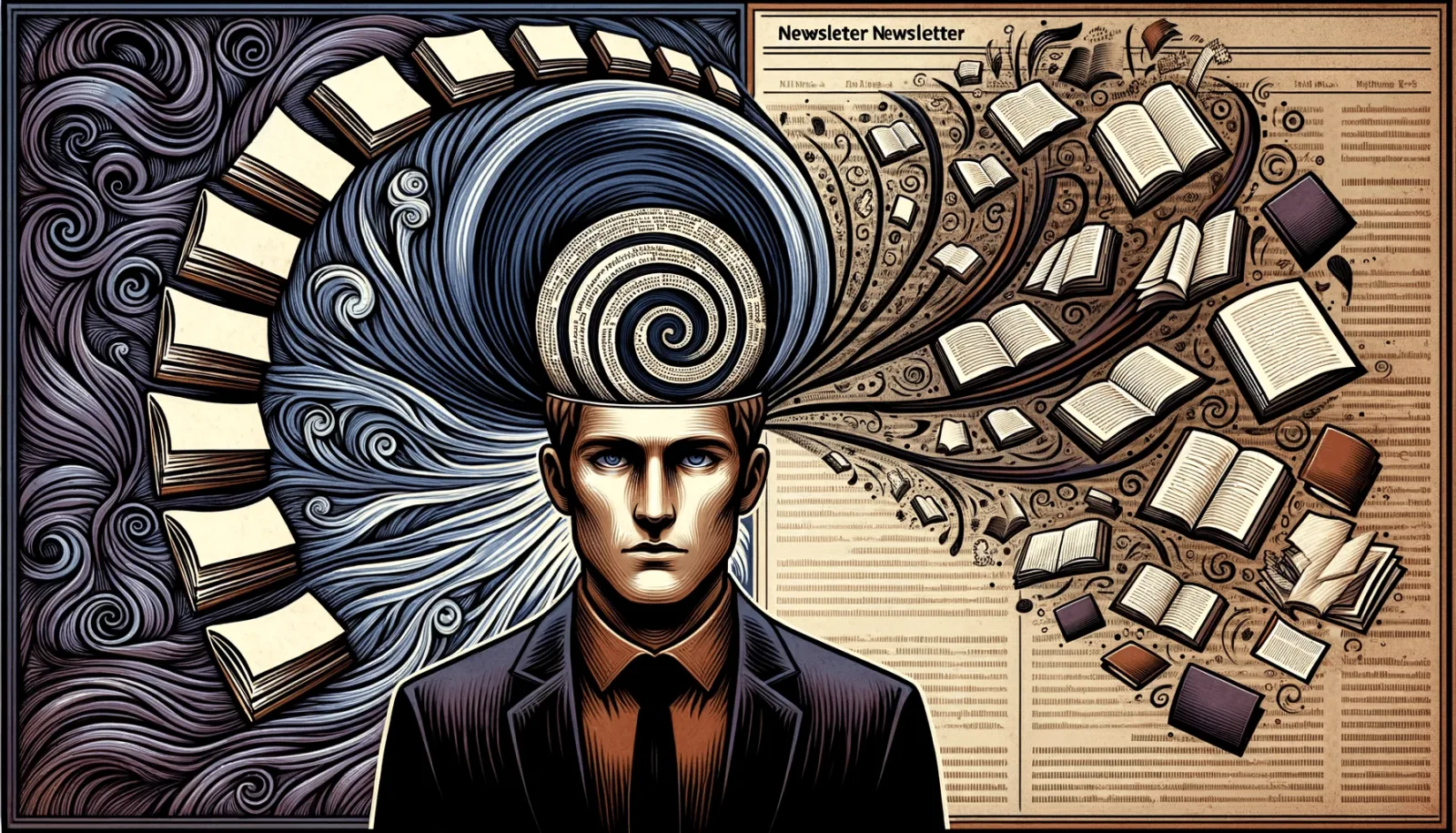
You need honest mirrors
You need people who reflect you back without distortion — and the humility to hear them.
The absence is the invitation
What's missing around you is an invitation to become the person who supplies it.
Confidence through competence
You can't self-talk your way to confidence. It comes from competence, and competence from practice.
Feeling follows action
You don't have to feel motivated before you act. The action produces the feeling.
You have to be bad to get good
Every master produced bad first drafts. Being bad early is the price of getting good.
Adversity Reveals Character
Hard things show you what you're actually made of.
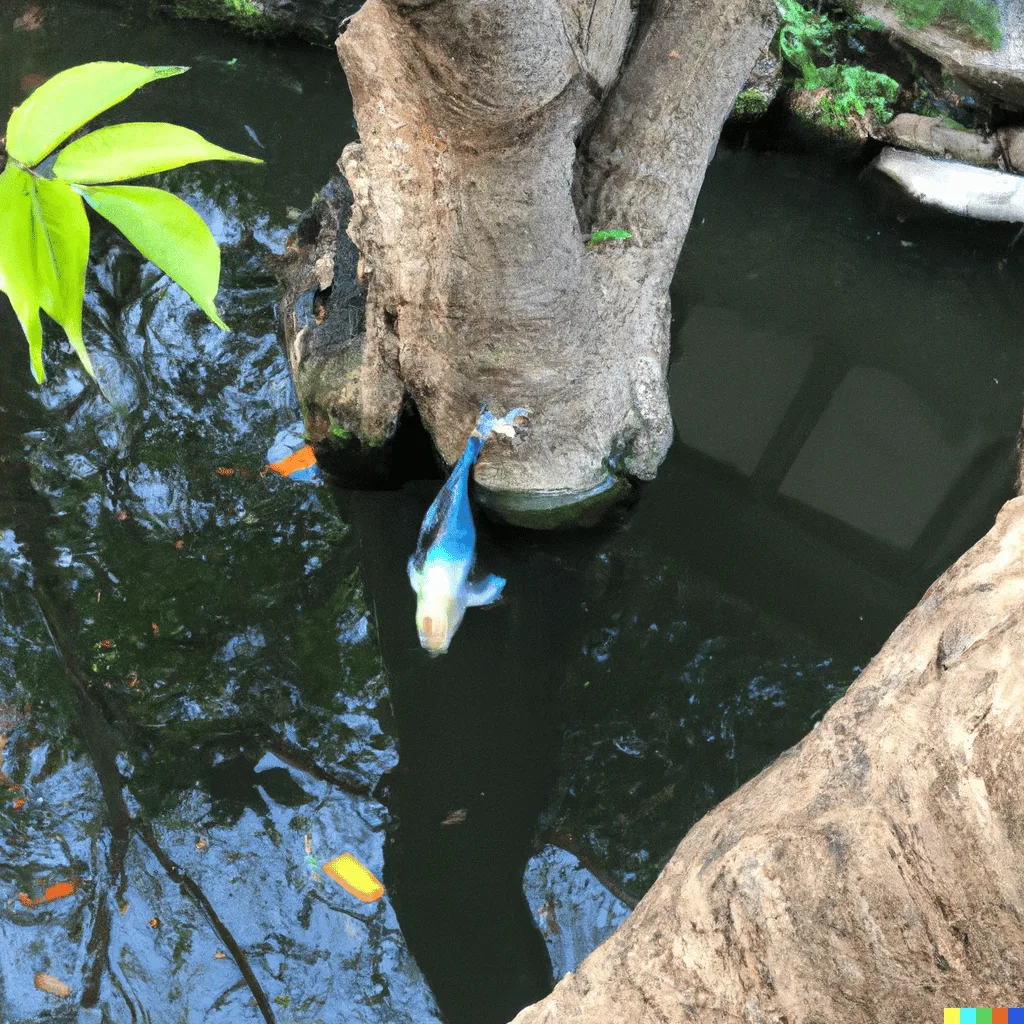
A Fish Climbing a Tree
Some under-performers aren't failing - they're fish being judged on climbing. Coaching can't fix a role mismatch.
The other eleven
No element fails alone. When one is out of tune the symptom usually shows up somewhere else in the ring.