
Harmonic Architecture
Strategy to Execution
The bridge between what leadership decides and what the organization actually does.
Writing on Strategy to Execution
37 issues

What are you choosing not to fix?
The hardest part of transformation is choosing which problems you'll leave broken this quarter.

You're in the Party Planning Business
Speed of sending isn't the same as speed of getting the thing done. Most teams optimize for the wrong one.

Intuition Is Trained, Not Innate
Intuition as trained pattern recognition - and how to tell when it’s wisdom versus bias.

Magic First. Feasibility Later.
If you plan forward from reality, you’ll get well-executed mediocrity. Try starting with magic instead.

What needs to be true?
The question that sidesteps "that's impossible" and gets a team building momentum.

Everything Changes When You Triple in Size
The Rule of 3 and 10. What worked at three people breaks at ten, and breaks again at thirty.

Freedom in the Frame
Without frames, your team plays kids' soccer — everyone swarming the same ball.

The Work Around the Work
Administration, coordination, and surprises — and your customers won't pay for any of it.
Your Habits are a Portfolio of Bets
Turning a vision into habits, and treating them like a portfolio you can rebalance.

Design a Future That Gives You Goosebumps
Strategic planning applied to a team of one. Part 1: turning a vision into goals.

The Three Questions That Reveal What's Really Going On
Most teams focus on what’s being delivered. But that’s only one-third of the picture. Here’s how to diagnose misalignment before it becomes failure.
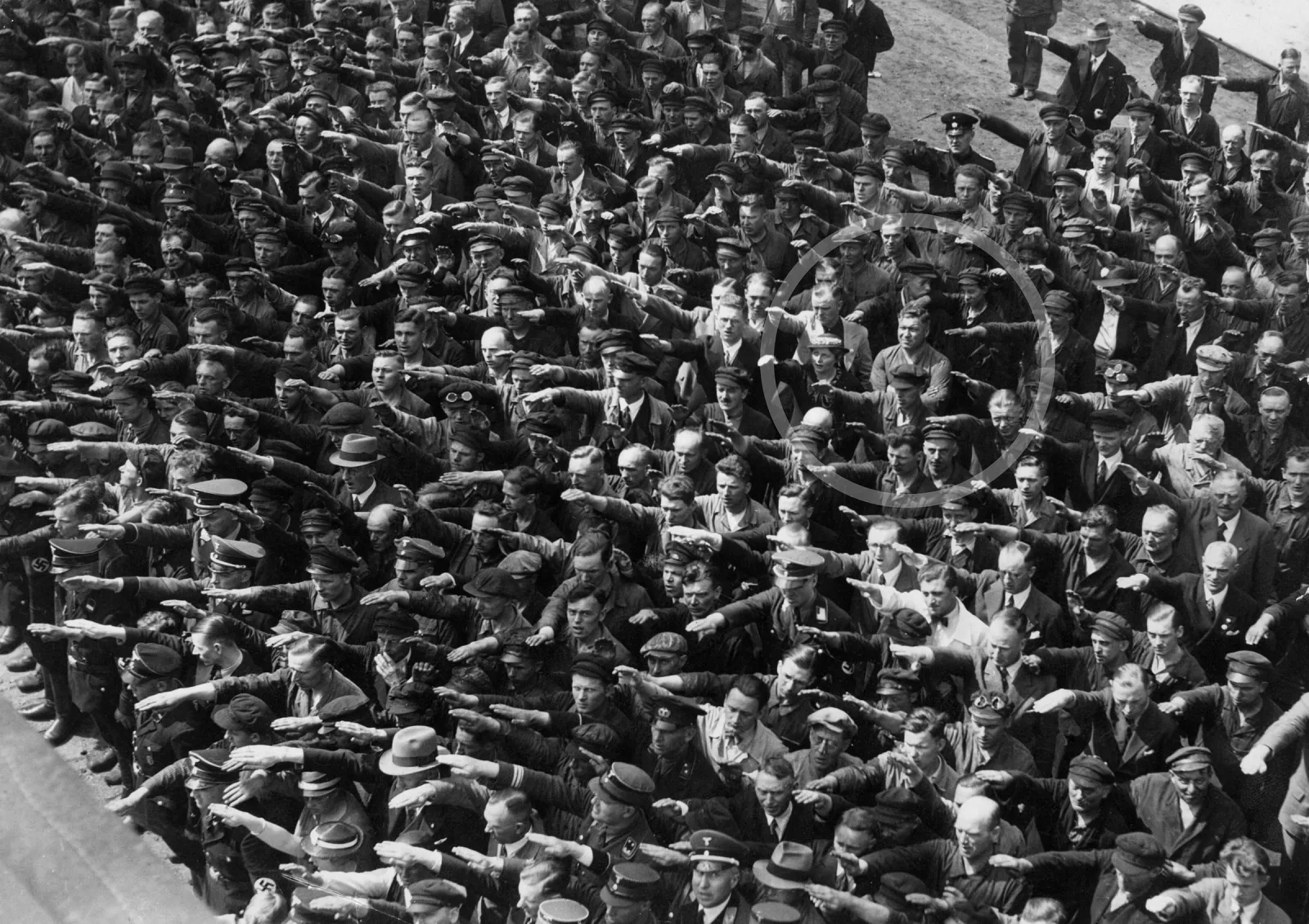
The hard part isn’t thinking, it’s thinking around others.
Learn how to spot four social-context biases in yourself, and what to do about them.
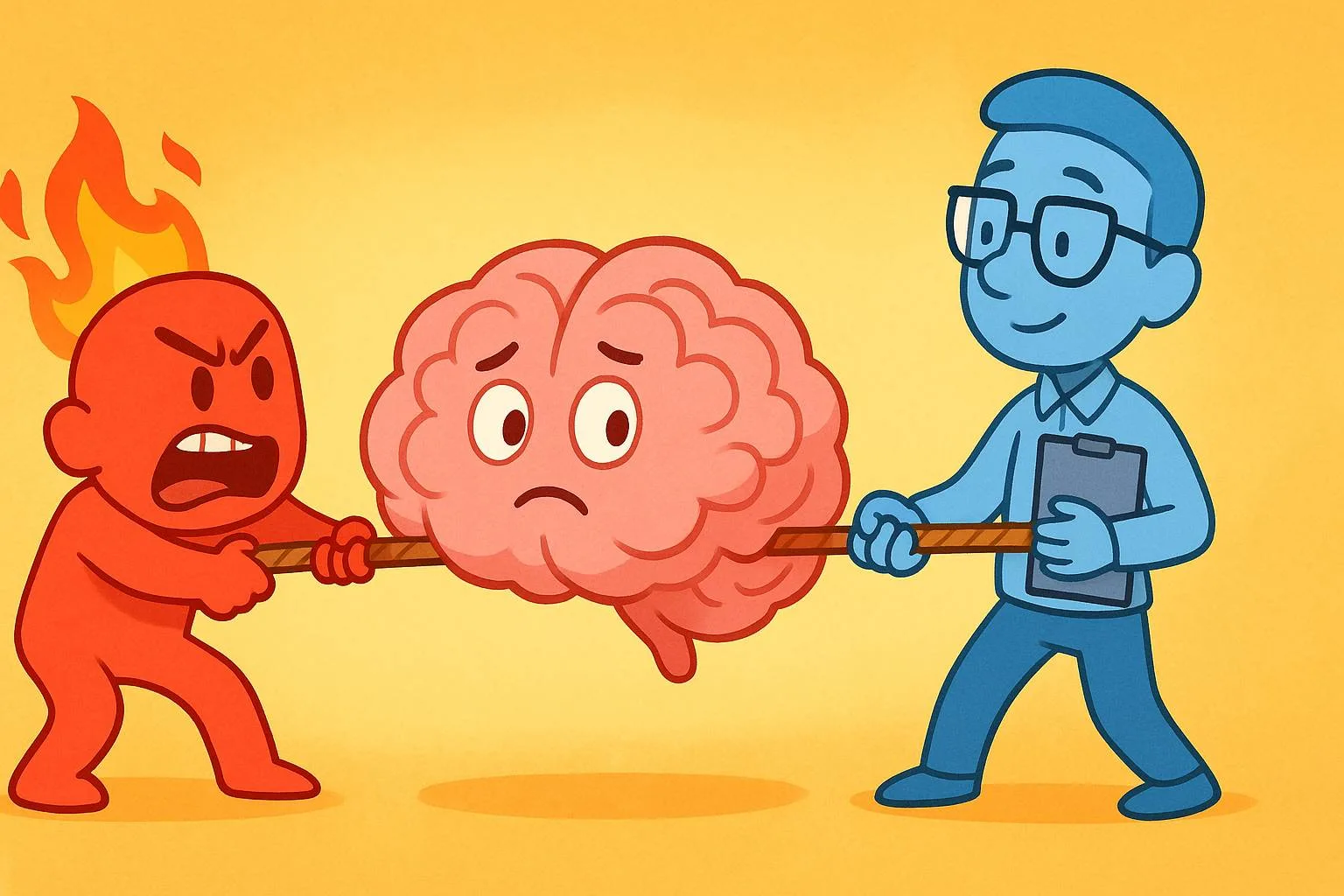
It’s Not Becky. It’s Your Amygdala.
How emotions hijack your thinking, and what to do about it.

Bad Decisions Can Masquerade as Good Ones
Some decisions feel right, but they’re built on flawed thinking. These four biases are the culprits.

Thinking About Haircuts Can Speed Up Your Decisions
A fast test for how much deliberation a decision actually deserves.
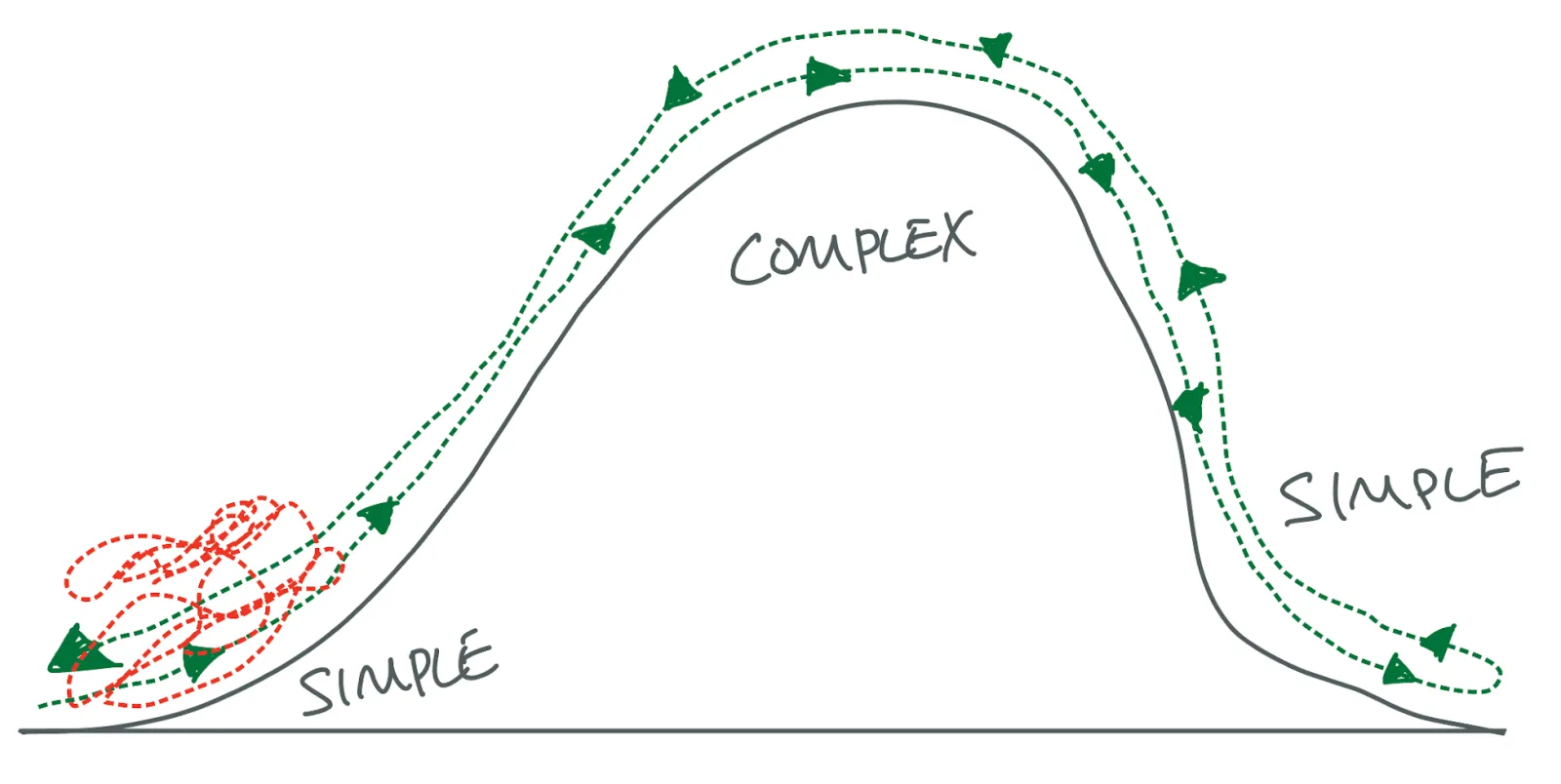
Dividing an elephant in half does not produce two small elephants
Problems can be divided into three classes: simple, complicated, and complex.

Not enough innovation? Contributor Safety might be lacking.
Innovation stalls when people don't feel safe to contribute. That's the third stage.

Be unreasonable; break through arbitrary barriers
We are agents in the world, and in order to achieve our goals, we have to bend the world around us.

Nine essential behaviors to drive business transformation
As leaders we're all in the business of transformation. If we're not transforming our businesses, they're in stasis. Stasis leads to decline.

Say What You Want to Happen, Not What to Avoid
When you need something done, it's more effective to tell people what to do. Not what not to do.
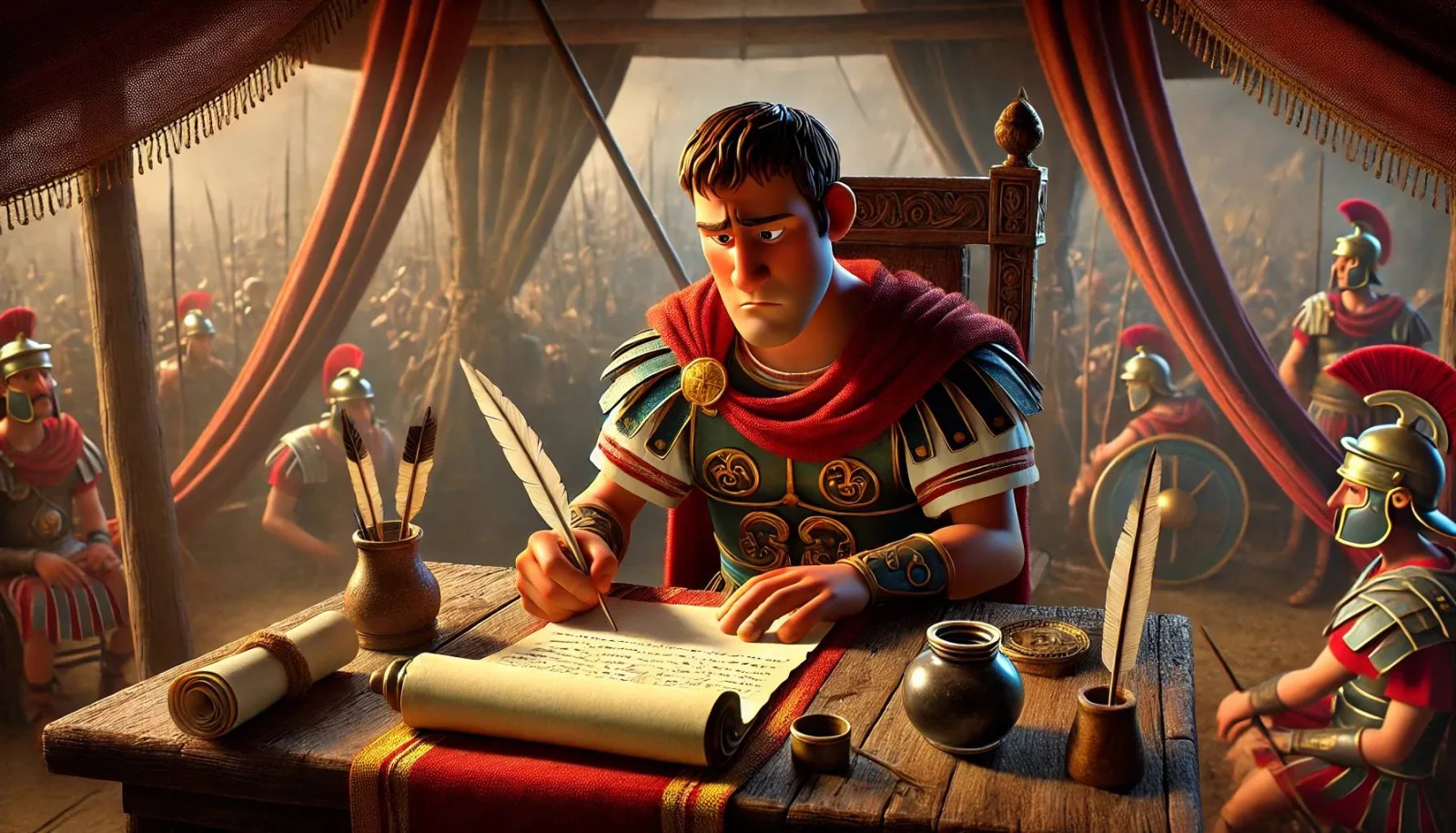
Are you effectively controlling the default assumption?
Being able to set the null hypothesis - the default assumption other people have - is very powerful.
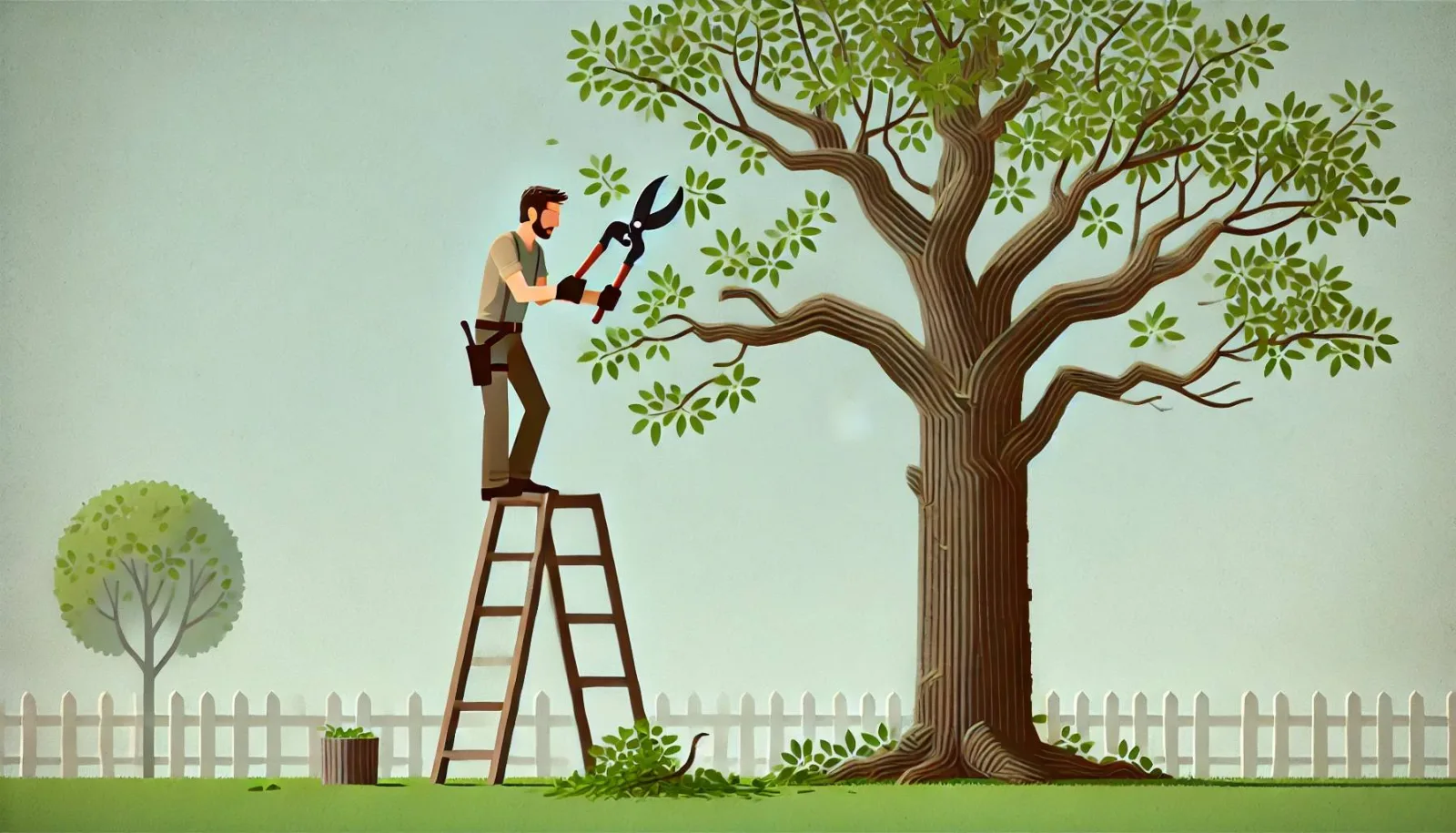
Prune confusion with decision trees 🌳
Decision trees are a useful and visual way to organize complex decisions.

How Archimedes in a bathtub can help you solve problems at work
How to use combinatory play to achieve breakthroughs.

The Obstacle is the Way
That problem in front of you? That obstacle? It's actually the way forward.

Your business, like Shrek and onions, has layers
Architecture affects the speed with which you can build new things or make changes to old things.

A 2000 year old idea about the power of action
It's important that you take action, not just *talk* about taking action.

⏰ Back in Time: Travel to the future to improve your strategy today
Travel forward in time mentally to test a decision before you commit to it.

Mind the Momentum ➡️
Momentum is mass times velocity. A large idle team takes enormous energy to move.

Bad strategy is like trying to fix your car's engine with a hammer
A practical framework for strategy, for anyone who has been asked to produce one and got stuck.
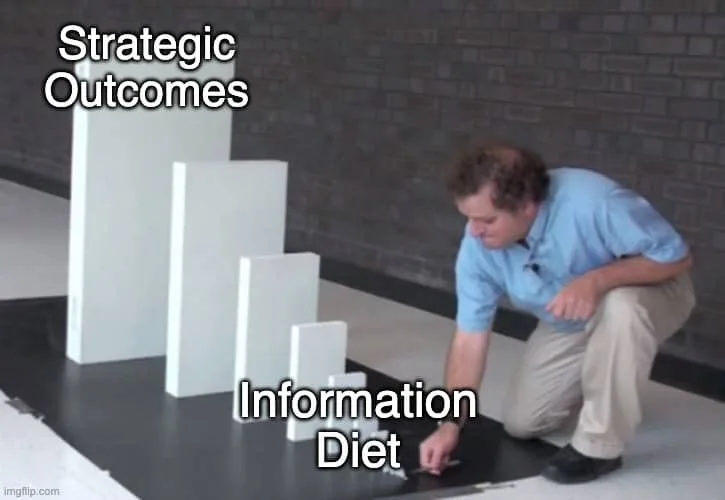
How to design your information diet to improve strategic outcomes
The causal chain is information diet –> thinking –> assessments –> decisions –> actions –> strategic outcomes. Be conscious of your diet!
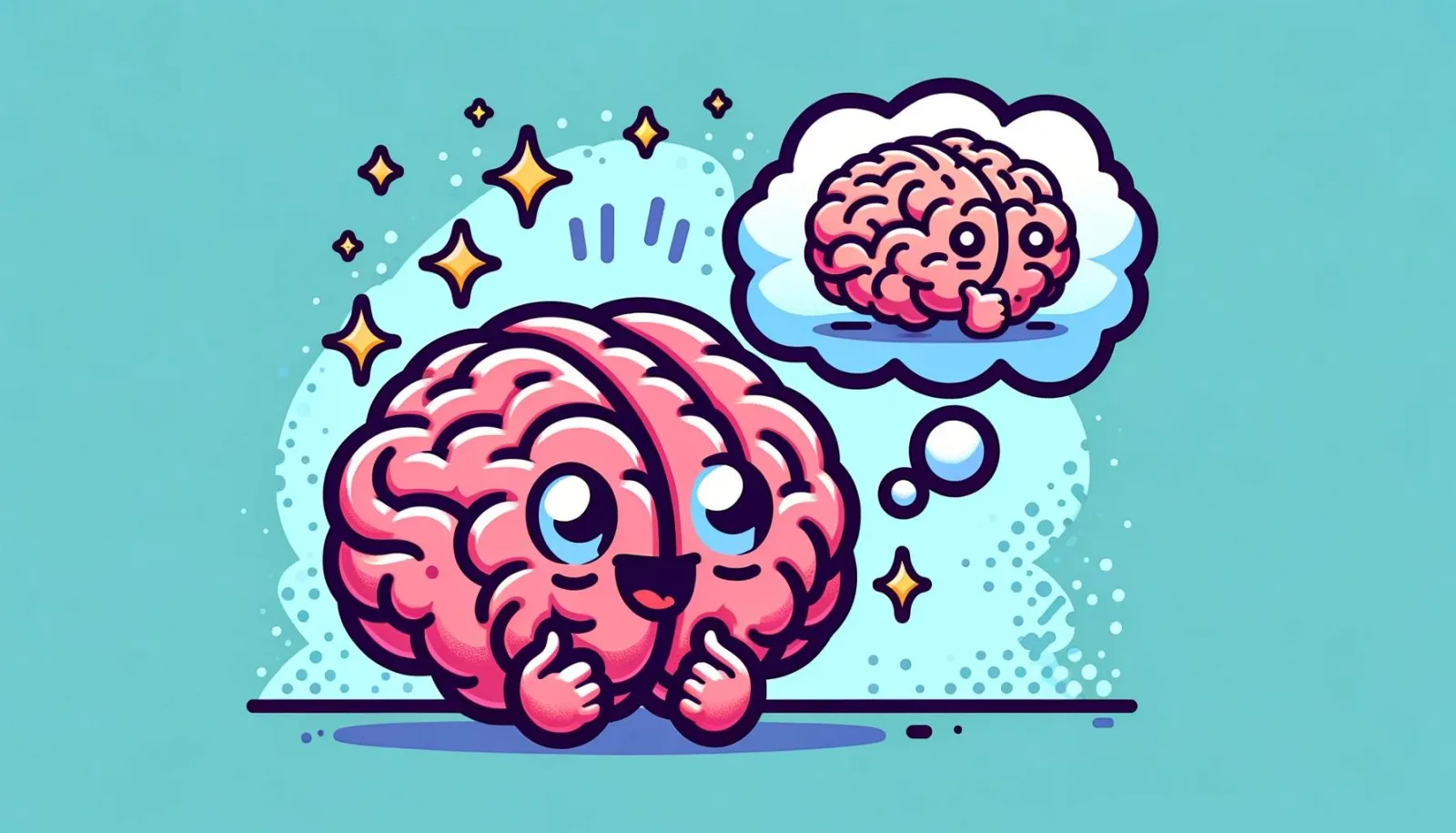
Make better decisions by thinking about your thinking
Metacognition provides protection from cognitive biases and improves decision making.

Reframing problems as opportunities: The path to becoming even more badass
You will always have problems. Change your relationship to them instead of waiting them out.
Innovation comes from ideas having sex
Breakthroughs come from ideas meeting other ideas — which means they need other people.

Steel sharpens steel; having an enemy can be your greatest ally
You need something to push against. An external enemy brings out your best work.

How "premeditatio malorum" helped me keep my cool when I smashed my phone
Rehearsing what could go wrong takes most of the sting out of it when it does.

What do wreaths, book notes, and tamale pie have in common?
Explore or exploit — every choice commits you to one, and a good life needs both.

What does the car Homer Simpson designed have to teach us about adding value by subtraction?
Every addition can subtract. Homer's car is what happens when nobody is willing to say no.
The other eleven
No element fails alone. When one is out of tune the symptom usually shows up somewhere else in the ring.