
Are you creating an environment where your team can learn?

Learning is a competitive advantage, but it doesn’t happen naturally in an organization.
Leaders need to create the conditions for learner safety, which is the second stage of psychological safety.
What exactly is learner safety, why is it important, and how do leaders create the conditions for it it to exist? Great questions! I’ll cover all of that today 😁
“Your team may be exquisitely endowed with brilliant people and abundant resources, but if individuals don’t feel free to probe, prod, poke, pilot, and prototype, ask silly questions, stretch and stumble, they won’t venture. Learner safety is important because it encourages these specific learning behaviors.”
— Timothy R. Clark in “The 4 Stages of Psychological Safety”
(The first stage of psychological safety is inclusion safety. You catch up by reading the prior newsletter on it here: /newsletter/whats-the-first-stage-of-psychological-safety/)
What is Learner Safety?
Learner safety is the condition where people feel free to learn, grow, experiment, and make mistakes without fear of being punished or judged for doing so.
Sounds nice, doesn’t it?
How do you know if you have it? You can look around and make an accurate assessment if you’re being honest.
Are your meetings full of energy? Do people probe for understanding? Do people develop from their experiences? Are they sharing learnings?
If so, those are all good signs.
“This is how a manager creates a climate of psychological safety—by focusing on the work and what can be learned from it, rather than berating subordinates for errors. More generally, this is how a manager can sustain virtuous cycles of progress and positive inner work life in the face of the inevitable setbacks that occur in any complex project.”
— Teresa Amabile and Steven Kramer in “The Progress Principle”
One of the bigger clues that you don’t have high learner safety is silence.
If people are silent in meetings, they’re probably fearful. They’ve done the internal calculus and they know that it’s “better to keep your mouth shut and be thought a fool than to open it and remove all doubt.”
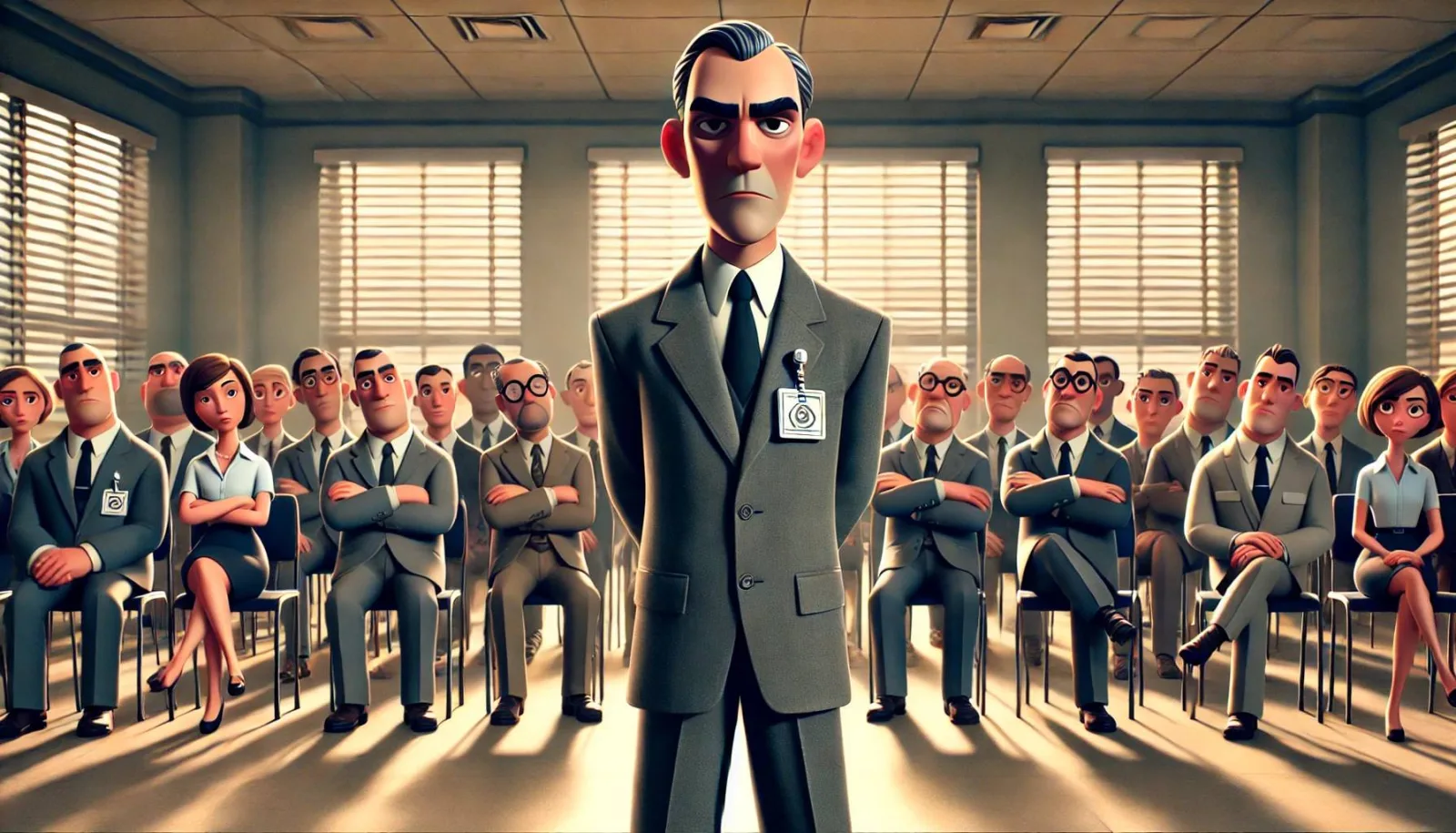
That’s sad! Work can be vibrant and invigorating, but if your people are silent, it’s probably due to how you’ve treated mistakes in the past.
Did you deride the mistake maker? For example, Jeff Bezos doesn’t appear to create a lot of learner safety because he does this.
I shared this quote of his in the previous newsletter: “If I hear that idea again, I’m gonna have to kill myself.” That’s not a one-off; he says mean stuff like that a lot!
Do you think whoever shared that idea with Jeff is going to do so next time? Unlikely! In one sentence you’ve killed that person’s desire and interest to learn, grow, experiment, and make mistakes for at least several months.
So what’s the big deal? Amazon seems to have done well while Jeff was yelling at employees. Let’s explore the challenges and importance of creating an environment that’s safe for learning.
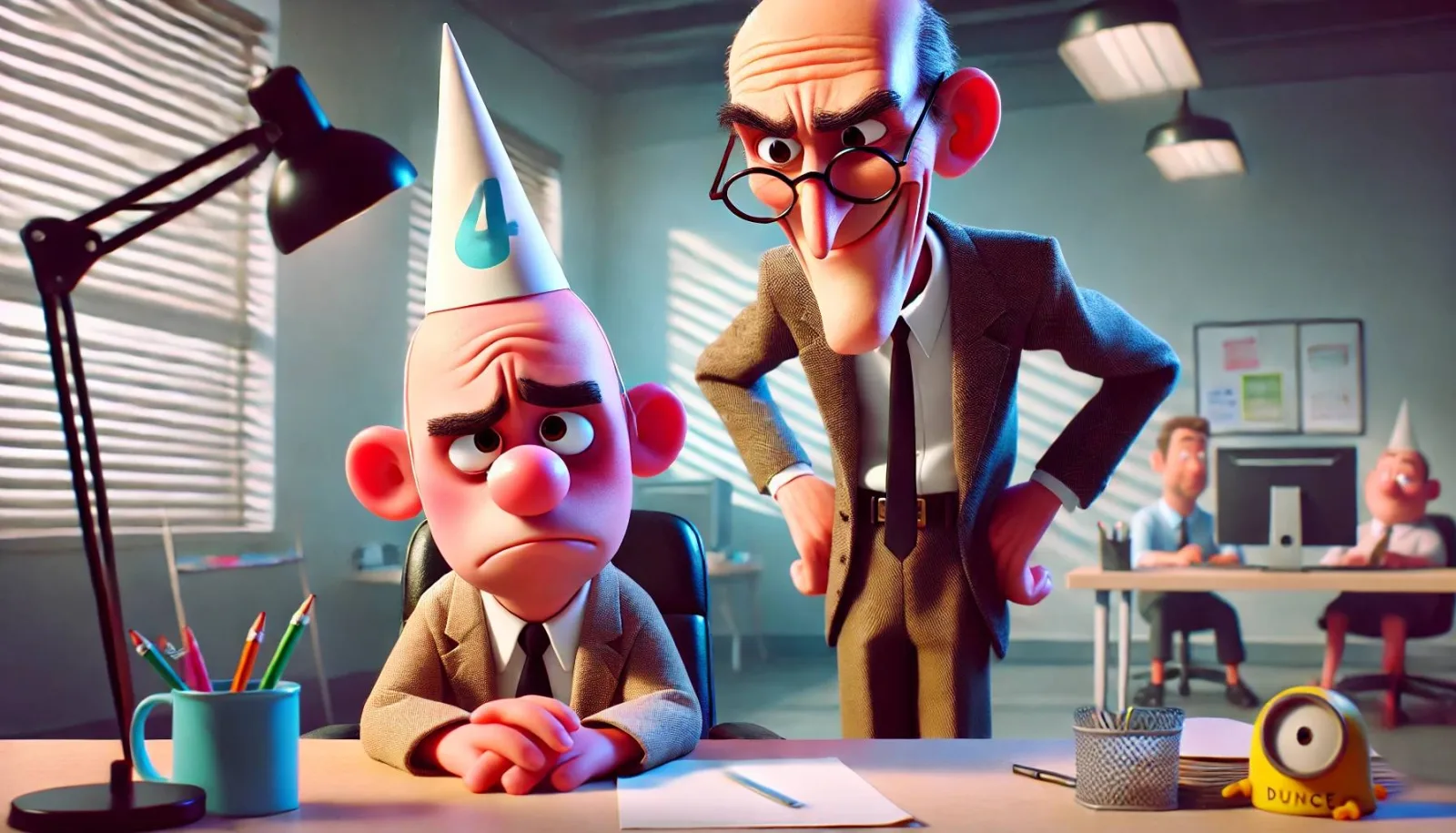
The Challenge and Importance of Learner Safety
Learner safety is challenging for a lot of reasons, not least of which is that every employee is different. What constitutes feeling safe for one person may trigger another person to feel unsafe. Leadership is a matter of degrees.
This is sensitive because people are being very vulnerable when they’re trying to learn. By definition learning means you don’t know something yet. That’s a huge risk to your ego and your status in the organization if you expose it.
There’s a large amount of potential harm to your reputation at stake!
Before people share something at work, they’re asking themselves: How will I be viewed? Will I look foolish? Will I be judged or ridiculed?

They’re trying to figure out the cost of exposing a mistake or their uncertainty.
It’s really important to create this environment of safety for at least two big reasons:
1. People are more likely to stick around, increasing tenure and experience.
2. It’s a competitive advantage; a learning organization can out-perform their competitors.
If you get yelled every time you were wrong or made a mistake, you’re not likely to stay somewhere long. As a leader, that turnover is costly. There’s huge risk in finding someone new, and your team has lower capacity while you look.
If you’ve created a good environment and you’ve got a team full of learners, what can’t you do? The team of learners is going to identify and solve problems significantly quicker than their competitors.
“Either learn and retool to maintain competitiveness or face the grave risk of irrelevance.”
— Timothy R. Clark in “The 4 Stages of Psychological Safety”
Now that we understand why it’s important, how do we actually create these conditions for it to exist?
How to Create the Environment
The first thing to know is that the leader has to go first.
It’s too much to ask your employees to be vulnerable and share mistakes, failure, and uncertainty before the leader has proven that it’s going to be okay.
I’ll run through five different things you can do to create the conditions for learner safety to exist.
1️⃣ It’s in How You Respond If you’re exasperated and judgy every time a mistake happens, you’re crushing safety. Yes, work is hard. Yes, there’s often a lot on the line. No, you falling apart, yelling, or otherwise reacting negatively is not going to help it get better.
2️⃣ Expose Your Learnings You have to model this for your team. Talk about what you’re learning. Share mistakes you’ve recently made - and what you learned from them! Be willing to be a learn-it-all instead of a know-it-all.
3️⃣ Create Opportunities Give people an opportunity to stretch themselves. Put them in novel situations that will challenge them to learn. Demonstrate that you have an environment where things don’t go perfectly, and yet over time the collective group is improving.
4️⃣ Think Long Term Learning takes time. It won’t happen overnight. If you’re expecting perfection, not only will you not get it, but you’ll burn everyone out in the process. This is a long game; play accordingly.
5️⃣ Invite Curiosity and Exploration Encourage people to explore with wonder the environment around them. Ask what they’re learning. Ask how you can support them. Create conditions where information can flow.
And remember, your reactions have a huge impact on the environment. Safety, like trust, is slow to build, and quick to lose.
As a leader you’ll need to turn on your emotional intelligence and be mindful of how your language and tone is affecting the team.
“Speaking up is only the first step. The true test is how leaders respond when people actually do speak up. Stage setting and inviting participation indeed build psychological safety. But if a boss responds with anger or disdain as soon as someone steps forward to speak up about a problem, the safety will quickly evaporate.”
— Amy C. Edmondson in “The Fearless Organization”
What An Employee Owes in Learner Safety
I don’t know what your preconceived notions about psychological safety are, but mine was that it’s all on the leader.
But did you know that employees have responsibilities throughout psychological safety as well?
Yes, they do!
A leader creates the conditions for learning. Employees have to actually learn.
“If I’m giving learner safety to an individual, I want and expect the individual to make an effort to learn. If I’m the learner, I expect the leader, teacher, coach, or parent to support me in the learning process. It’s encouragement to learn in exchange for engagement to learn.”
— Timothy R. Clark in “The 4 Stages of Psychological Safety”
If an employee continues to repeat mistakes and isn’t learning from experience, that’s not helping them, it’s not helping the team, and it’s not helping the business.
Employees at all levels owe improvement and learning. If they aren’t doing that, then it’s not a good fit.

My Own Experience with a Coach
I’ve worked with a coach who created a great environment for learner safety. So much that I almost couldn’t wait to tell them exactly what I just f’d up!
I knew they’d always care for me, no matter how bad I screwed up.
My mistakes had no bearing on our relationship. Since my mistakes didn’t cause any change in social standing, we were free to focus on the intellectual exercise of learning.
My coach would be very direct and to the point. But the whole time I knew they felt I could improve and succeed.
I also held up my end of the bargain. I worked hard to make adjustments in between meetings to demonstrate my learnings. I wasn’t coming to meetings over and over with the same mistakes - I kept making new ones 🤣
It had a huge impact on my growth.
Create similar conditions for your team members. In return they’ll break through walls for you.

Call to Action
This week you can start by assessing your environment for learner safety. How much silence is there around you? Are you hearing from everyone? Is your team failing, and learning from those mistakes?
Assess your behaviors. How do you treat failure? Are you more like Jeff Bezos or my coach? Are you responding with care and encouragement?
Psychological safety is tough. People are unique and this is full of gray, not black and white. If you have any questions, I’d love to hear them.
I’d also love to hear your own experiences with learner safety. What kind of bosses or coaches have you worked with in the past? Share your stories with me at kevin@catalyst.group18.co.
Kevin