I’m contemplating a change to the frequency and scope of this newsletter. I want to make sure I do that with your input.
Please give me insight into what you find valuable by clicking on the link below; the average respondent only needed 109 seconds to fill this out!
❤️ Catalyst Feedback Survey ❤️
Quick Note
I was in San Antonio as a Dance Dad the weekend before last, starting on Friday mid-afternoon, and thus no newsletter last Monday. I took my daughter to a convention there, and while I thought I’d have ALL the free time (no other kids, no dogs, no events), I ended up with about 2-3 hours each day to myself.
I used that time to close out some tasks from the week. For example, I’m potentially bringing on a third contractor, and I needed to work through my expectations and build a compensation model.
We also had a client-facing financial model due for a client onsite on Monday, so I had to make sure the plan and next steps were locked in across all parties (we did submit it to good feedback – whew!).
Lastly, we had another big proposal going out on Monday. This one was for nearly $20K/month, and I needed about two hours to sit down and process the client needs and craft an offer that would (hopefully) resonate. It was time well spent as I think I really got into what mattered to them.
That said, when I actually had the proposal call with the client last week, it reminded me how much I still have to learn about sales. One of the prospect’s question (how much time do you need from my team?) I’d thought through in advance and had a ready answer (minimal, we’re an accelerant and will bring everything we need, all inclusive in the price), but another one (expected duration on the fractional engagement?) I hadn’t thought through in advance and stumbled through my answer (3-9 months, with 6 being nominal). Not very polished!
The client has other options they’re considering, so I’m not sure we’ll get this business, but I’m already thankful for everything I learned from the process. I’m now ever-so-slightly better at asking good questions in discovery and crafting offers, and have a new question to anticipate in future cycles.
By the way, I found a pizza place in San Antonio that makes their own cheese and GF pizza dough, so we drove home with five pizzas in the back seat on Sunday 🤣 🍕
As an ops person, I had a LOT of fun working on my business this week by moving over to ClickUp from Todoist. I love Todoist, but it’s not great for project planning and teamwork. ClickUp isn’t perfect (task entry is much weaker than Todoist), but seems like it’ll work really well for us.
I did research on ClickUp hierarchies and taxonomy since it’s brand new tool for me, then migrated all my work over and started making dashboards. Oh yeah!
I’ve been using it for myself this week and it’s really helpful. I can see it being really powerful once we get the whole team in there and start getting projects planned out.
Group 18 is slowly growing up!
I hope you have a great, productive, and energizing week!
Kevin
A Quote
“
When you see a better way, do you step up or remain a spectator? People who make a big impact step up and lead.
Valve, the company behind PC game storefront, Steam, has been playing around with hardware lately. They’ve just announced a lot of new hardware offerings coming in 2026. My favorite is the Steam Machine, which is a small PC that will connect to your TV, just like an Xbox does.
How often have you had to deal with a dead car battery? Batteries only last a few years in Texas, and every car I’ve ever owned has left me stranded in need of a jump at some point. I’m probably imagining things, but I swear my car is hesitating a little bit on start. I just popped this battery jumping device into my glove box as an insurance policy. If you didn’t know about these – they’re great!
Deep Dive on Being an Offer Maker
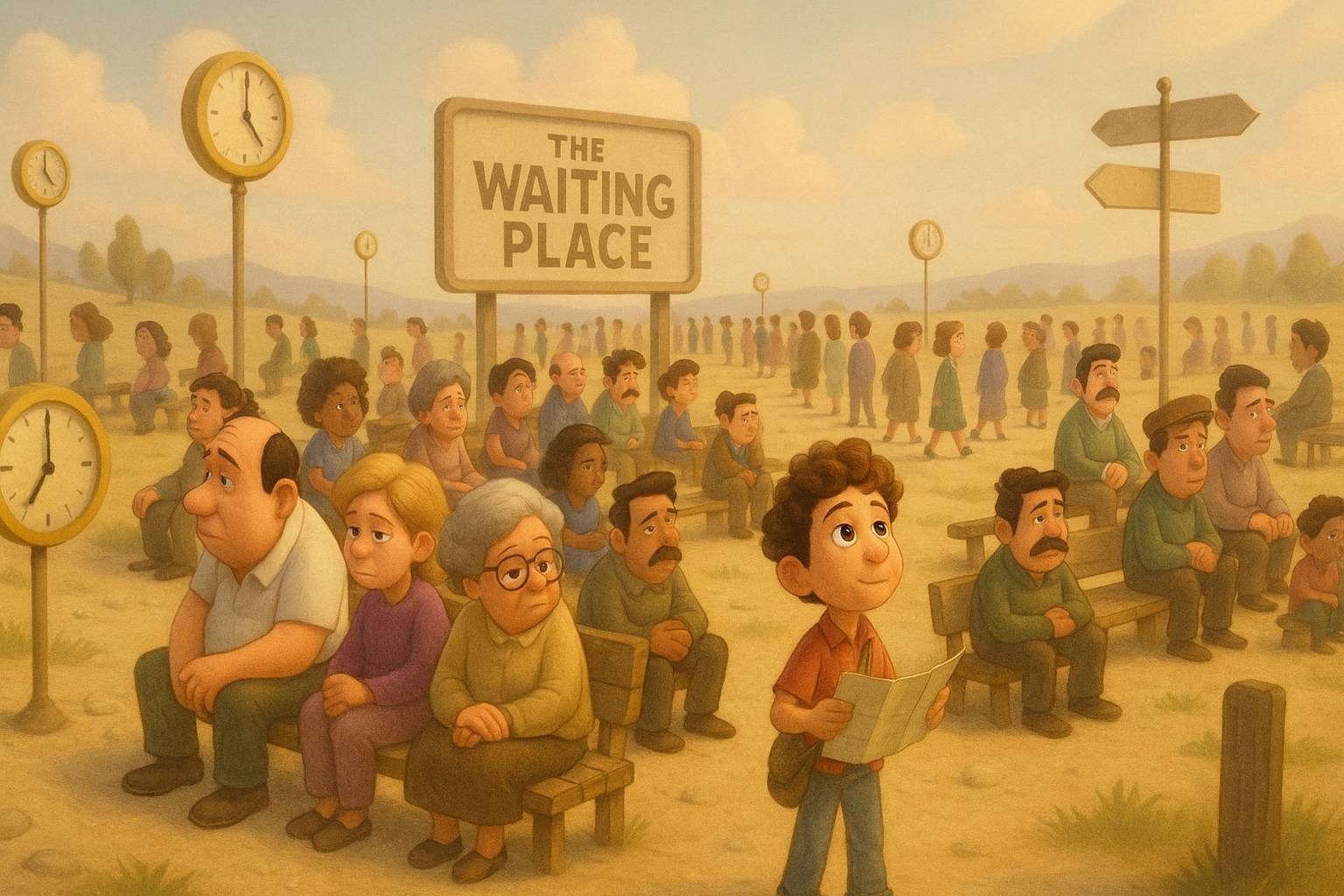
We’re trained from childhood to be order takers: raise your hand, wait for instructions, follow the steps. Get it wrong and you’re punished.
Then we enter the real world and wonder why we’re stuck.
We stay stuck as long as we’re waiting for instructions. We stay stuck when we outsource our thinking to other people.
The way out is to lead. And leadership starts when you stop acting like an order taker and begin operating like an offer maker.
The Difference In Approach
An order taker waits for direction and instruction. They might be skilled, but those skills aren’t applied until someone tells them what to do. It can be helpful, but it ultimately limits your professional growth.
“One businessperson was on track to be CEO of a large company…But when the board got to discussing this person, one of the directors said: ‘He takes the hill very well, but somebody has to tell him which hill to take.’ The assessment underlying that one sentence eliminated the candidate’s chances of becoming CEO.”
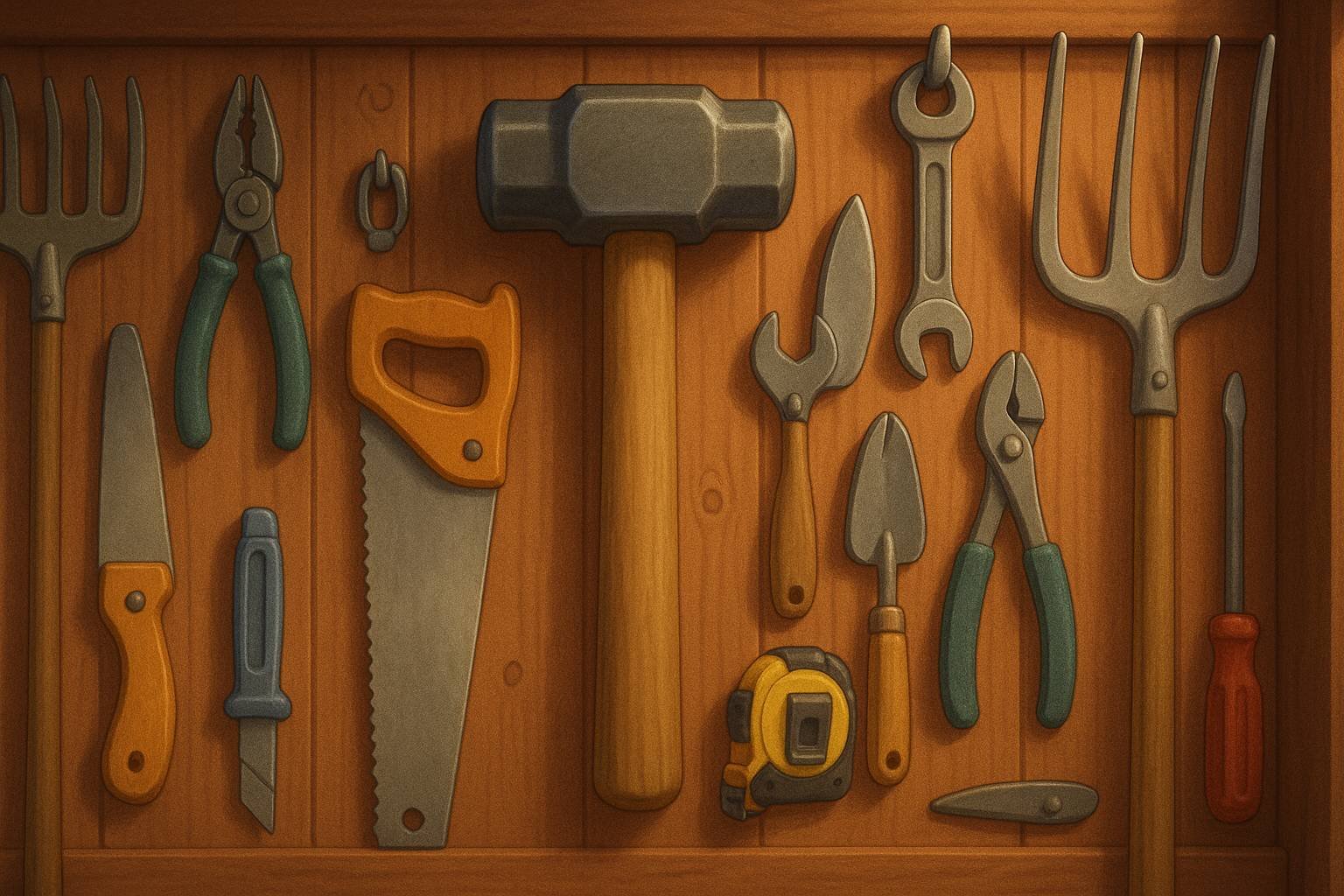
An order taker reacts to symptoms. They hide behind “just tell me what you want.” They don’t anticipate. Like a sledgehammer on the wall, they essentially wait around in the shed until a leader picks them up and applies them to a stubborn rock.
Tools are only valuable when they’re put to use.
Offer makers, by contrast, decide, design, and drive. They anticipate problems and guide themselves, or a team they manage, towards a solution. They know what to do and go get it done. Even within a larger team where they can’t act unilaterally, they make helpful recommendations to their boss. They “offer” to solve a given problem in a given way.
While there are a lot of behaviors that underpin being an offer maker, the big shift is the shift in identity. With an offer maker identify, you stop waiting for permission to lead. You just get it done.
Waiting for a request from others is a dereliction of leadership. Leaders don’t wait for scope; they create the scope.
Why Most People Default to Order Taking
Most order takers aren’t aware that there’s an alternative. Taking orders just feels like a natural evolution that started at home, school, and even early jobs. There was always an authority figure around – a parent, a teacher, a bad boss – who expected you to take orders.
Do this. Go here. Eat that. Act this way.
“Follow my instructions to the letter.”
Even if you saw a different way and tried to act on your own, you probably didn’t feel safe to fail. You got in trouble and learned to keep your place. Even if you didn’t get in trouble exactly, peer pressure and the fear of being wrong might’ve been enough to keep you in order taker mode.
The Payoff: Speed, Trust, and Authority
Being an offer maker is harder of course, but there’s reward for taking the risk.
Offer makers gain trust quickly because they show ownership. Imagine you’re the leader of a team of five. Four people always want you to feed them. “What do I do?” “What do you need from me?”
The fifth team member, an offer maker, sees the problems in front of the team and comes to your team meeting with recommendations and actions. “I noticed a decline in performance in [this area]. My team and I can solve that in three days by [attacking the root cause]. If you don’t have any concerns, we’ll get it done.”
Who do you start leaning on? Who do you trust to make decisions when you’re out?
Offer makers reduce cognitive load for everyone else. An order taker is making their boss do their job for them. When an offer maker shows up, they reduce the mental burden of their leader, freeing them up to tackle the problems at their level.
For all of these reasons, the offer maker is given trust and authority. These are career accelerants.
Offer Makers Do Three Things Differently
There are three things offer makers do that allow them to excel in this role. They interpret, design, and propose.
Interpret – They don’t accept the surface problems as given. They synthesize symptoms into an accurate diagnosis.
Design – They create options, sequences, and plans. They reduce ambiguity for others.
Propose – They put an offer on the table; clear, concrete, directional. They don’t wait for permission to lead. They take action.
Do these things in sequence, consistently, to reinforce your identify as an offer maker. From there, watch your career accelerate.
This Matters Everywhere, Not Just in Business
As with many of the things I write about, these principles matter outside of a business, too. Your spouse, friends, and community want you to be an offer maker.
Husbands might feel like they’re on top of it when they say to their wife, “Just let me know what you want done around here and I’ll do it.” You’re an order taker and a junior employee in the marriage in that case.
You should be making offers in your relationship.
If you see something that needs to get done, make an offer to fix it (or just do it). “Hey babe, I noticed that the tub was a little dirty. I’m going to knock that out tomorrow.”
“I saw this needed to be done, so I just did it.”
Your friend just had a new baby? Don’t text with, “Let me know if you need anything!” That’s an order taker. You’re putting the onus on the new parents to think of something and request it of you.
An offer maker will figure out what a new parent needs and offer it. “Hey, I’m sure y’all are swamped with the new baby. I’m going to drop by dinner on Friday; you’ve just to go heat it up.”
Bringing it all Together
We’re conditioned early to follow instructions, avoid mistakes, and wait for someone else to direct us. And most people carry that pattern straight into adulthood. That’s why they stay stuck. They outsource their thinking, their decisions, and their agency.
The shift to becoming an offer maker is the shift to actually leading. Offer makers interpret what’s really going on, design paths forward, and propose concrete action instead of waiting for someone to tell them what to do.
It’s a different identity. It accelerates speed, trust, and responsibility, because you stop creating work for others and start removing it.
The impact isn’t limited to work; relationships, friendships, and families run better when you stop waiting for orders and start making offers.
Call to Action
Choose one situation this week – at work or home – and practice interpreting, designing, and proposing instead of waiting. Make offers to get it done.
Take the cognitive load off of others by not making them do your thinking for you.
Don’t wait for permission to lead. Lead.
Kevin
Say thanks with a coffee
If this made you nod, laugh, or steal a line for your next meeting, consider buying me a coffee.





Comments are closed