This week I built a team capacity planner to help me get a handle on current – and planned – load. Things are going really well, but my own estimated week had gotten above 40 hours and I needed to figure out a shift.
I also brought on a second contractor and needed to understand their load, too. Plus, we’ve got several projects in the pipeline and I don’t want to propose something to a client I don’t have line of sight on the capacity to execute.
The newest contractor will help me on the financial modeling work I mentioned closing recently. The work is ramping up fast and I won’t be able to deliver it on the client timetables by myself, so this new person is critical.
We’re already in November and I’m realizing all my 2025 OKRs will be graded at the end of next month – and I’ll need to come up with new OKRs for 2026! I feel like 2026 is going to be a lot tougher to define because of how much is going on.
The prior years’ plans have been relatively easy to develop – it was just me and an idea. This year I’ve got contractors, partners, and more than one business. Do I do one set of OKRs for me overall? One set for each business? The framing isn’t feeling obvious to me, but I’ve got a little bit before I need to lock these in.
Whatever I do, I know I’ll be raising my aspiration!
Kevin
A Quote
“
I believe that managers must loosen the controls, not tighten them. They must accept risk; they must trust the people they work with and strive to clear the path for them; and always, they must pay attention to and engage with anything that creates fear.
Kevin Kelly is one of my favorite thinkers, and I loved listening to him on this podcast. I liked the sections on rituals and rights of passage. Some of his key takeaways were: Kindness is strength, and don’t be the best – be the only.
Do you ever walk into a room and forget why you went there? Me, too. And totally normal. Lisa Genova explains how we remember, and why we forget. She also covers the difference between normal forgetting, and Alzheimer’s – her most common question when she’s out speaking.
I was recently looking for multiplayer knowledge management to get away from Obsidian now that there’s a Group 18 team. While I didn’t choose Tana, I was reminded of how much I love it, and how much it has evolved since I last checked it out. Click through the different personal and team use cases to see what it can do.
(enjoy this 4️⃣ minute read)
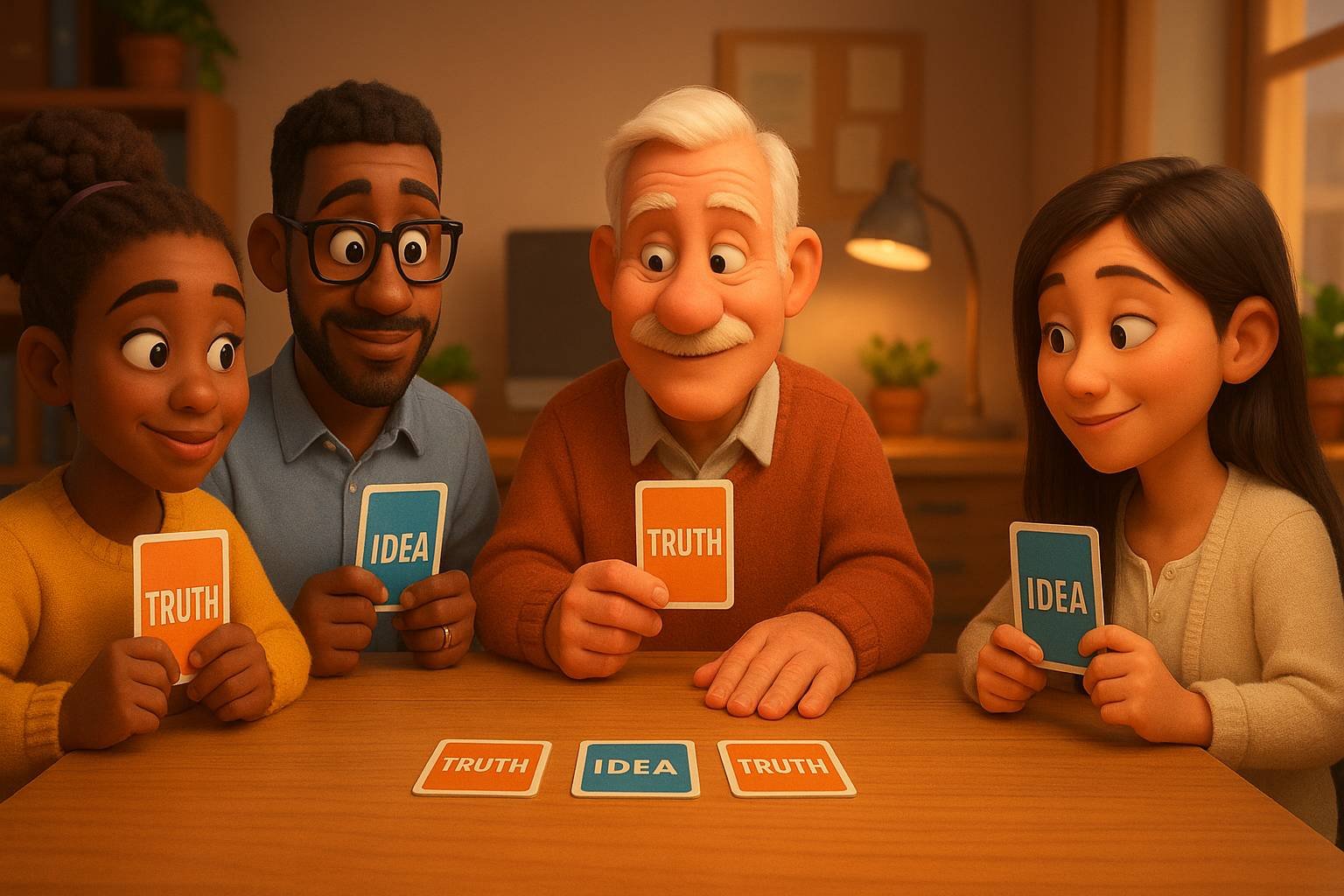
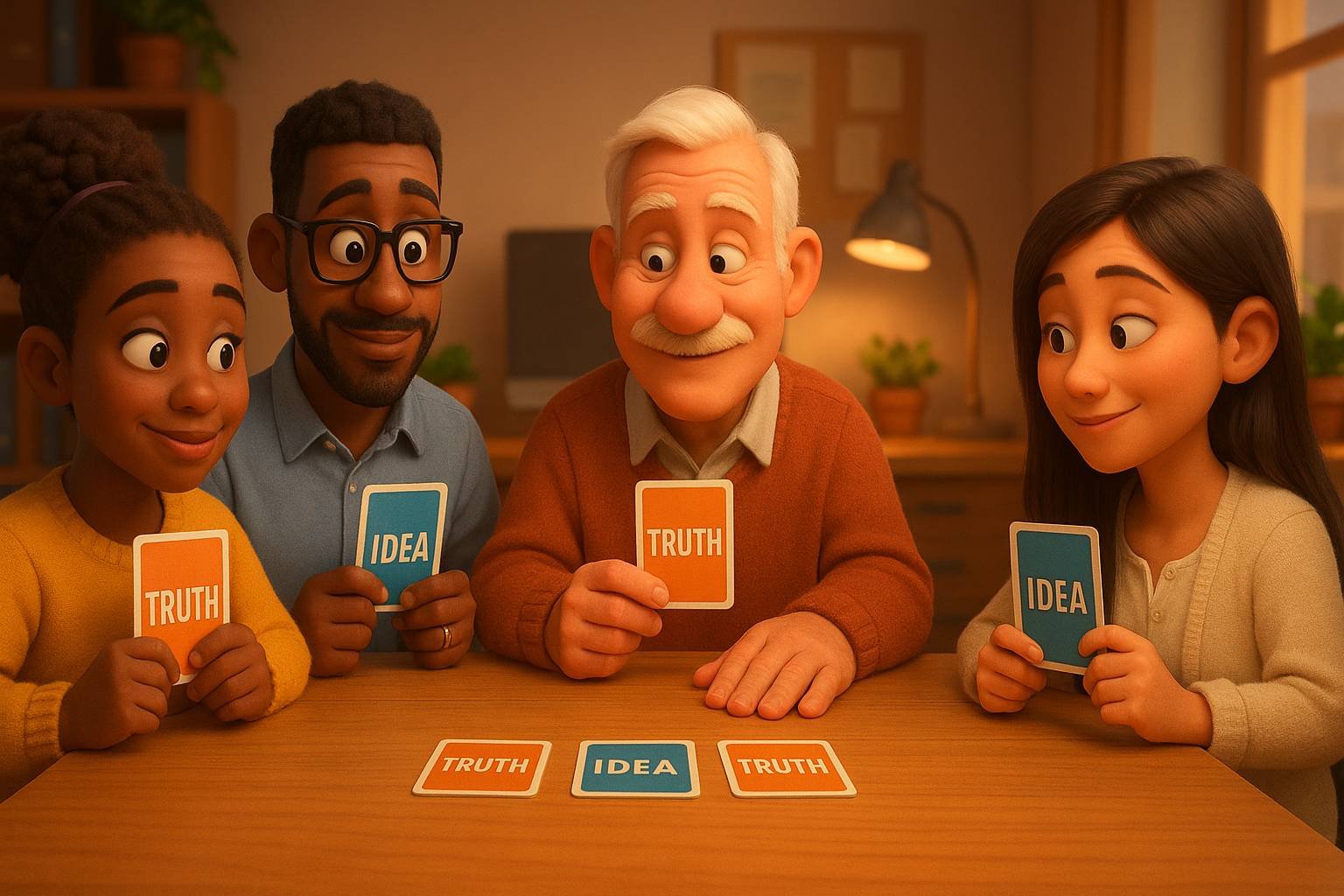
Deep Dive on Getting Things on the Table
Most organizations aren’t suffering from what they can see, they’re suffering from what they can’t.
It’s the teammate who slacks off when the boss isn’t around. It’s the project the team knows won’t hit the objective. It’s the customer problems stuck in the minds of support staff.
These issues and others like them exist. A few people might see them, but for a variety of reasons they’re not talked about. This robs the business from the ability to solve them.
You can’t solve what you don’t know, and you don’t know if you don’t talk about it.
These unspoken problems compound. The longer they stay buried, the more they cause other problems, and the more costly unwinding them all becomes.
The Cost of What’s Hidden
“In the typical corporate meeting—a business review, for example—the dialogue is constrained and politicized. Some people want to shade and soften what they say to avoid a confrontation. Others need to beat those they’re talking to into submission. In groups that contain both types of people (which is the case in many meetings), dialogue becomes a combat sport for the killers and a humiliation or bore for the passives. Little reality gets on the table, and the meeting doesn’t move the issues forward much.”
Does that meeting described above resonate? I’ve certainly been in meetings where the aggressors dominate, the passives are quiet, and the real issue isn’t spoken – and thus, not solved.
When issues don’t get spoken, effective decisions get delayed because the problem remains unsurfaced.
The slacker teammate keeps collecting a paycheck and frustrating the team. The project doesn’t get the resources or adjustments to make it successful. Customer problems remain unsolved.
The leadership of the business (in theory) would really want to know about these problems. Why aren’t they discussed?
Why People Don’t Talk
Often, it’s fear. Fear of conflict, punishment, or justing being the person everyone looks at. 😬
Lots of teams pretend everything is fine to avoid discomfort.
People see the cost more clearly than the benefit. If you speak up, you may get shut down, or get a reputation for being a problem. If you expose the problem, the company may benefit, but how likely is that to benefit the person bringing it up?
When the cost is clear and personal, and the benefit is unclear and collective, the calculus says to stay quiet.
When your culture doesn’t support candor, you won’t get it.
Your team may feel more comfortable sweeping things under the rug.
What “Getting It on the Table” Looks Like
Once you’ve decided to surface reality, the next challenge is how to do it effectively. Candor is NOT just blurting out what you think, it’s creating the conditions where truth can be spoken…and heard.
“Jerks are likely to rip your organization apart from the inside. And their favorite way to do that is often by stabbing their colleagues in the front and then offering, ‘I was just being candid.’”
Getting things on the table is a collective discipline; a muscle teams build by practicing three habits:
Say what’s true for you: From “The 15 Commitments of Conscious Leadership”: real candor means speaking what’s unarguable. That’s the difference between describing your experience (“I feel tense when we talk about this”) and assigning intent (“You’re trying to control me”). When we stick to what’s unarguable – sensations, feelings, observable facts – others can stay open instead of getting defensive. It shifts the conversation from accusation to exploration.
Celebrate the messenger: People watch how leaders respond to bad news. If you flinch, punish, or dismiss, you teach everyone to hide reality. But when you thank someone for bringing it up – even when it stings – you reinforce that truth is welcome. Over time, that’s how candor scales from one brave soul to an entire organization.
Listen for what’s being felt: When people are filtering what they say, you’ll see it. A pause. A half-sentence. A nervous laugh. Those moments are gold! Invite them gently: “It sounds like there’s more there. Could you please elaborate? I’d love to hear what you have to say.”
Candor, done right, creates shared reality. Everyone gets an accurate picture and you can solve what really matters.
Most organizations don’t fail because they can’t solve problems – they fail because they never surface them!
Hidden issues quietly drain time, money, and morale while everyone pretends things are fine. Fear and self-protection keep people quiet, and silence compounds risk.
Healthy teams make reality discussable. They don’t avoid tension; they channel it into progress. The moment truth gets on the table, decisions get better and trust deepens.
Call to Action
I like the questions that come from Jerry Colonna’s, “Reboot”:
What am I not saying that needs to be said? What am I saying (in words or deeds) that’s not being heard? What’s being said that I’m not hearing?
Pick one conversation you’ve been avoiding, one truth that hasn’t made it onto the table. Be brave. Say it this week.
Kevin
Say thanks with a coffee
If this made you nod, laugh, or steal a line for your next meeting, consider buying me a coffee.




Comments are closed